Hydraulic Tail Lift Buyer Guide
Folding Hydraulic Tail Lift Guide for Urban Delivery Fleets
A folding hydraulic tail lift helps urban delivery fleets handle dockless stops, compact parking spaces, and repeated loading cycles. However, buyers still need a clear selection process. This guide explains the value, compares common loading options, maps product fit by scenario, and gives installation checkpoints before you request a Cadro solution.
Why a Folding Hydraulic Tail Lift Is Worth Attention
Urban routes rarely stay simple. A truck may unload at a warehouse dock, a store entrance, and a curbside site on the same day. Therefore, the tail lift must support fast access without blocking the rear door.
It Reduces Dock Dependence
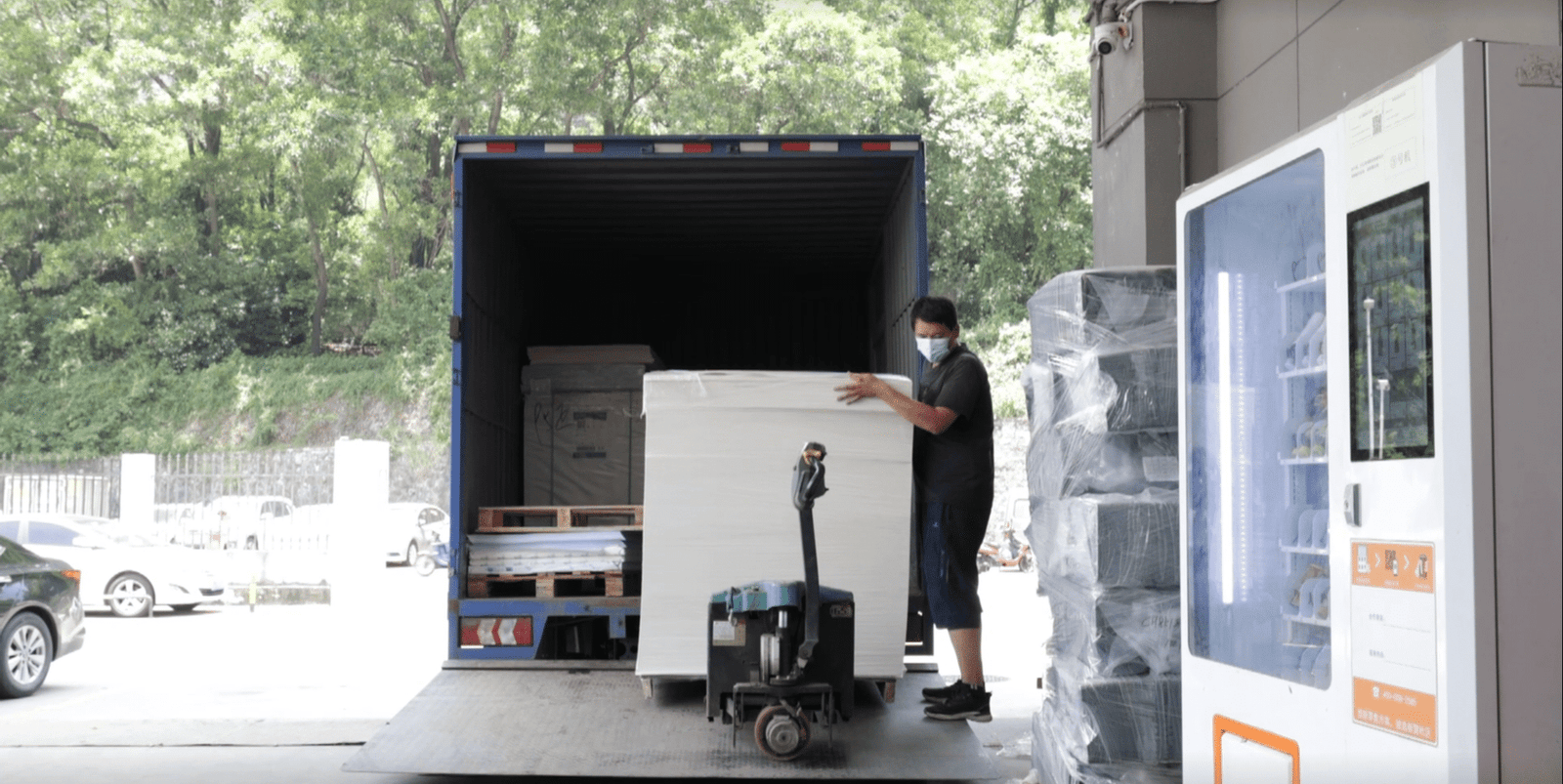
Many delivery points do not provide a dock or forklift. In addition, large cartons, carts, and palletized goods create manual handling risk. A folding tail lift creates a practical loading platform between the vehicle floor and ground.
It Keeps Rear Access Flexible
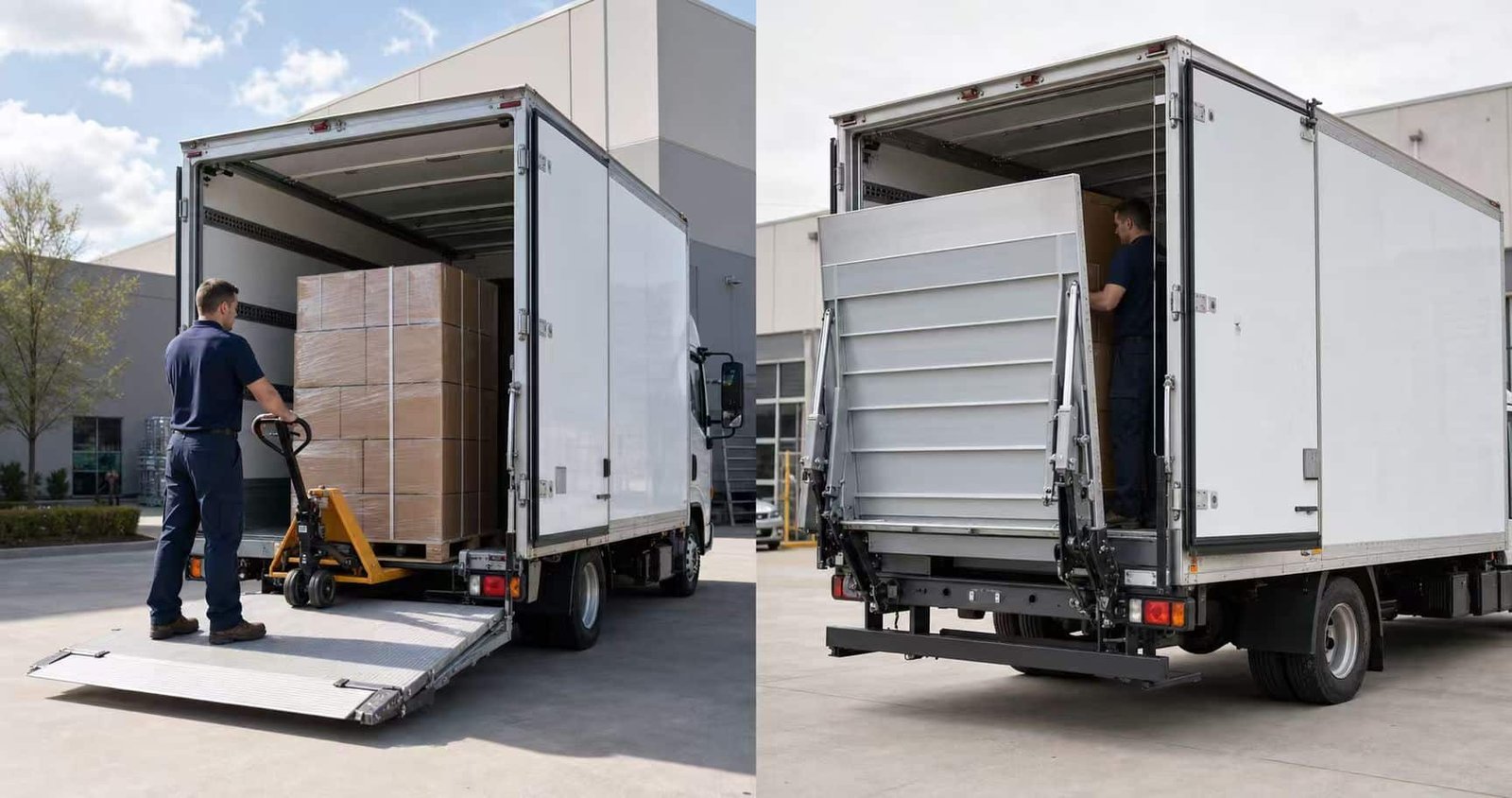
A folding design stores close to the rear of the truck. Consequently, the vehicle can still approach docks or open its rear door for direct loading. This balance matters for fleets that change delivery sites every day.
It Supports Repeated Daily Use
A commercial vehicle liftgate must do more than lift weight once. Specifically, it should move smoothly through the full lifting path. Stable hydraulic movement helps drivers work with better control during high-frequency routes.
Core Comparison: Manual Loading, Ramps, Rear Platforms, and Folding Tail Lifts
Each loading method solves a different problem. However, fleet buyers should compare the method against cargo weight, route type, rear-door access, and maintenance needs. The right answer depends on daily use, not brochure capacity alone.
Manual Loading
Manual loading may work for light parcels. However, it increases driver strain when teams handle carts, furniture, equipment, or packed delivery cages. As a result, it often slows work at dockless sites.
Portable Ramps
A ramp can help in simple settings. In contrast, it still requires enough ground space and careful angle control. It also gives less lifting support when the cargo is heavy or the site is crowded.
Fixed Rear Platforms
A fixed rear platform can offer direct access. However, it may reduce flexibility when the truck needs dock loading. Therefore, buyers should check whether the platform blocks daily rear-door use.
Folding Hydraulic Tail Lifts
A folding hydraulic tail lift offers a stronger fit for mixed routes. It gives ground-level loading support and compact storage in one package. Moreover, the design suits trucks that need both dock access and curbside unloading.
Product Fit by Application Scenario
A buyer should match the tail lift to the route. In addition, the vehicle body, cargo type, and loading site should guide the final choice. Cadro can then align the design with the truck and daily workload.
Urban Retail Delivery
Retail routes often include narrow streets and short unloading windows. Therefore, a compact folding tail lift helps drivers unload carts or boxed goods quickly. It also keeps the rear opening usable when the truck returns to a dock.
Cold Chain Distribution
Cold chain fleets need steady handling and predictable route timing. For example, a stable loading platform can reduce delay during store delivery. Meanwhile, corrosion-aware structure and regular checks support long-term use in humid conditions.
Warehouse Transfer
Warehouse transfer vehicles may move between docks, yards, and customer locations. Consequently, buyers should protect rear access while adding ground-level lifting support. A folding system can serve both needs on one vehicle.
Field Service and Project Delivery
Project teams often carry tools, machines, or bundled materials. In short, the cargo may be heavy but irregular. A hydraulic tail lift gives operators a safer, clearer process than manual unloading alone.
Need a truck-specific recommendation? Share your vehicle type, cargo weight, and route pattern with Cadro. Then our team can suggest a folding hydraulic tail lift direction for your fleet. Request a Cadro tail lift solution.
Implementation, Installation, and Upgrade Guidance
A good liftgate decision starts before installation. Specifically, buyers should confirm fit, structure, controls, and maintenance access early. This reduces rework and helps the equipment support the route from day one.
Step 1: Confirm Vehicle Data
First, record the truck model, rear frame layout, body height, ground clearance, and door type. In addition, confirm whether the truck must reverse to loading docks. These details shape the tail lift layout.
Step 2: Define Cargo and Cycle Needs
Second, list the common cargo size, weight range, and daily lift cycles. For instance, a route with loaded carts needs different platform logic from a route with boxed parcels. The lift should match real use.
Step 3: Check Structure and Movement
Third, review the support frame, hinge points, hydraulic cylinders, and platform movement. Moreover, ask how the design controls guided motion during lifting. Stable movement gives drivers more confidence at busy stops.
Step 4: Plan Inspection and Maintenance
Finally, set a routine for hydraulic lines, control boxes, lubrication points, fasteners, and platform surfaces. In fact, regulated fleets already need systematic inspection and maintenance practices. A maintenance-friendly design makes that work easier.
Why Choose Cadro for Hydraulic Tail Lift Projects
Cadro focuses on hydraulic tail lift solutions for commercial vehicle loading and unloading. Moreover, the company presents a product range that includes folding tail lifts, cantilever tail lifts, column tail lifts, and related accessories for different vehicle needs.
Manufacturing and Customization Support
Cadro supports OEM and ODM cooperation for overseas buyers and distributors. Specifically, this helps projects that need vehicle matching, batch delivery, and practical after-sales communication. It also supports buyers who need a supplier beyond one standard model.
Structure Built Around Daily Work
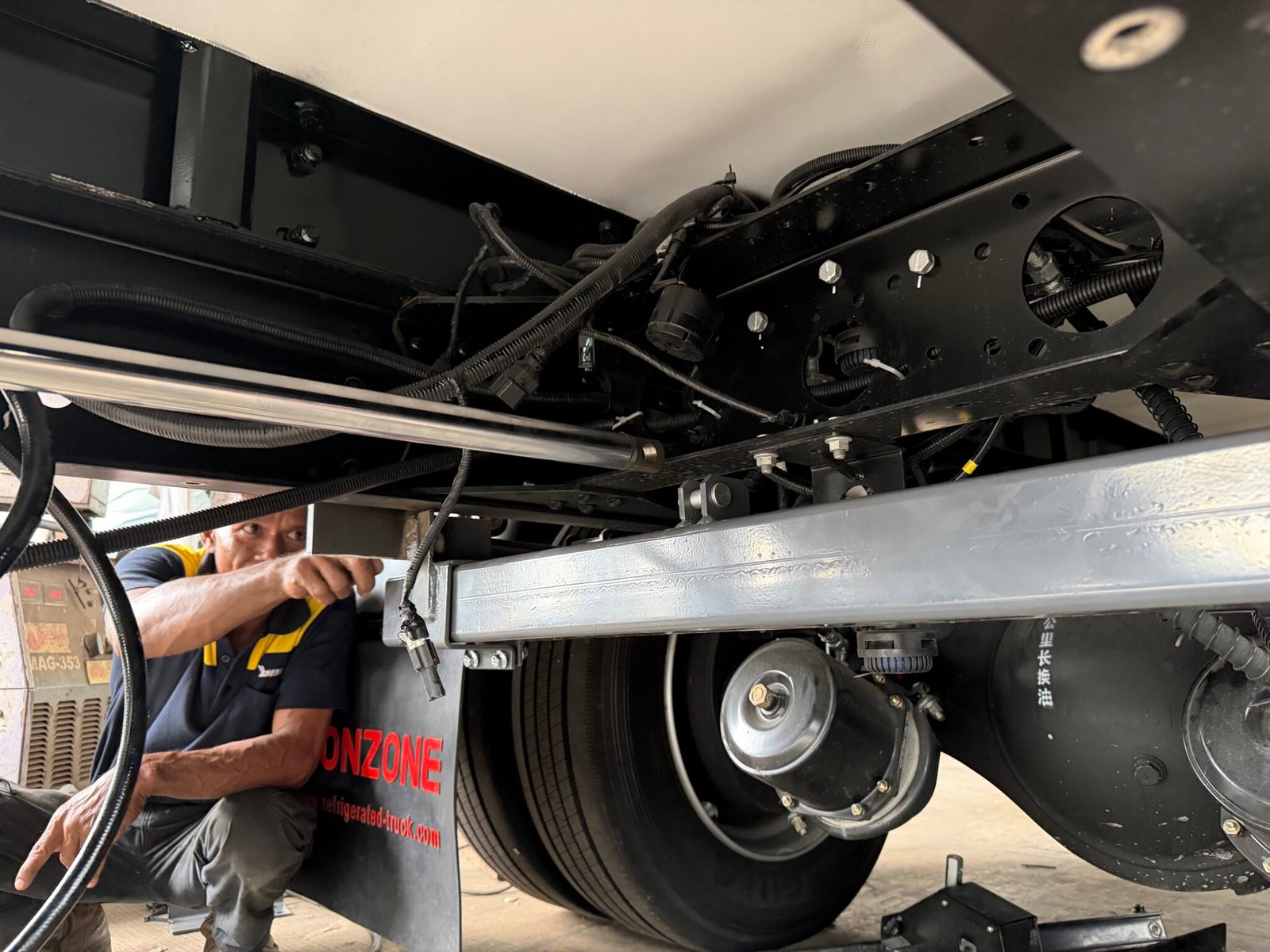
Cadro product communication can focus on compact folding design, stable hydraulic lifting, guided movement, reinforced load-bearing points, welded structure, and precision assembly. In addition, maintenance-friendly design supports fleets that need steady uptime.
Buyer-Focused Technical Discussion
A strong supplier should ask about route, cargo, truck body, and maintenance plan. Therefore, Cadro can frame each recommendation around the buyer's operating conditions. This approach keeps the discussion practical and easier to verify.
Customer Results and Case Proof
Fleet buyers want proof that a supplier can handle real delivery pressure. Therefore, case evidence matters. Cadro's public case content describes delivery projects for cold chain, construction materials, express delivery, and regional logistics fleets.
Cold Chain Fleet Delivery
A Cadro case study describes a global cold chain project with more than 2,000 tail lifts. Notably, the case focuses on schedule coordination, harsh operating conditions, and delivery alignment with vehicle production. Those factors match fleet buyer concerns.
Urban Operations Upgrade
Cadro also lists express delivery and urban fleet upgrade cases on its site. As a result, buyers can review how tail lift projects connect with route speed, loading reliability, and vehicle rollout planning. This supports a more grounded purchase discussion.
FAQ: Folding Hydraulic Tail Lift Selection
These common questions help buyers prepare for a supplier discussion. In addition, they support quick checks before a WordPress editor adds the final product images and internal links.
What is a folding hydraulic tail lift?
A folding hydraulic tail lift is a truck-mounted loading platform that lifts cargo between the ground and the vehicle floor. It folds for compact storage when the vehicle moves or uses a dock.
When should a fleet choose a folding design?
Choose a folding design when the truck needs both dock access and ground-level unloading. For example, mixed urban routes, retail delivery, and warehouse transfer work often need that flexibility.
What should buyers check before installation?
Buyers should check vehicle frame layout, cargo weight, platform size, hydraulic routing, control placement, and maintenance access. Additionally, they should confirm route conditions before final specification.
Why does maintenance access matter?
Maintenance access matters because fleets depend on daily vehicle availability. In short, easier checks around hydraulic lines, cylinders, and structure can reduce avoidable downtime.
Get a Cadro Tail Lift Recommendation
A folding hydraulic tail lift should match the truck, route, cargo, and maintenance plan. Therefore, the best next step is a clear technical request. Share your vehicle information with Cadro, and ask for a solution that supports urban delivery without sacrificing rear access.
Final CTA: Send your truck body details, target load, and application scenario to Cadro. Then request a customized hydraulic tail lift recommendation through https://cadro-taillift.com/.
Source Links
The article uses the following sources for industry context, maintenance logic, and Cadro case support. In addition, all product-positioning links point to the new Cadro independent site.
- Bayshore Trucks: Best 26ft Box Trucks for Local Delivery
- North Carolina Trucking Association: 2026 TMC Tech Night - Liftgate Training
- eCFR: 49 CFR Part 396 - Inspection, Repair, and Maintenance
- Inbound Logistics: What Is a Liftgate?
- Cadro Tail Lifts: Home
- Cadro Case Study: How Cadro Delivered 2,000+ Tail Lifts On Time