Hydraulic Tail Lift Buyer Guide
Certified Hydraulic Tail Lift Installation: What Buyers Should Check Before Fleet Use
A hydraulic tail lift is more than a rear platform. It is a complete lifting system that combines structure, hydraulics, electrics, controls, platform movement, locks, and safety features. For fleet buyers, certified installation and daily reliability should be part of the purchasing decision.
1. Match the Tail Lift to Real Vehicle Use
The first question is not only how many kilograms the tail lift can carry. Buyers should check what loads the vehicle handles every day. In addition, they should consider where the loading platform will work and how often the lift will be used.
Urban delivery, warehouse transfer, refrigerated logistics, and industrial transport all create different requirements. For example, these affect platform size, lifting capacity, ground clearance, rear-door access, folding structure, and control position.
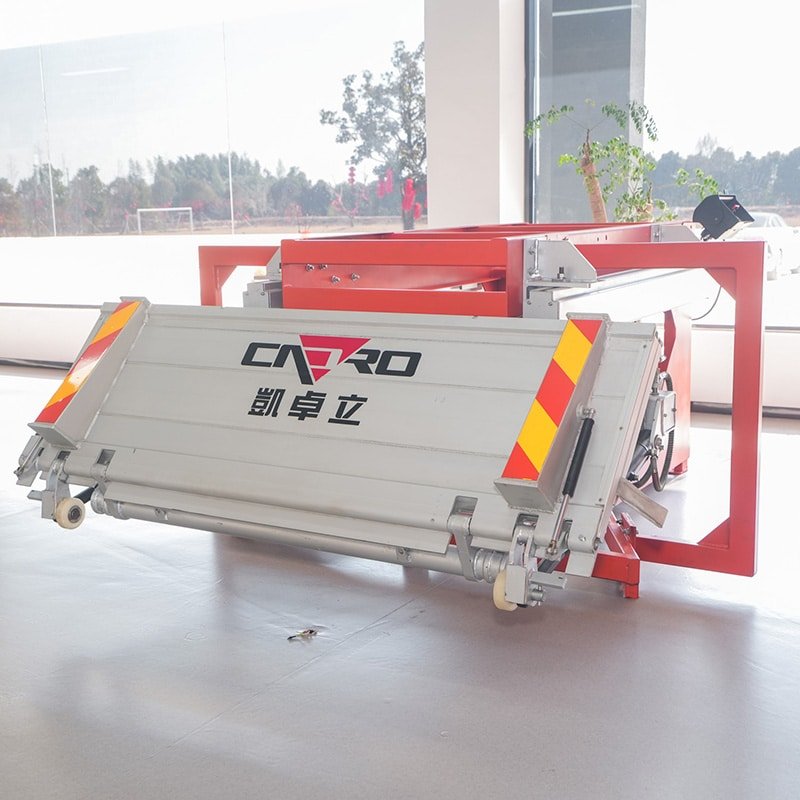
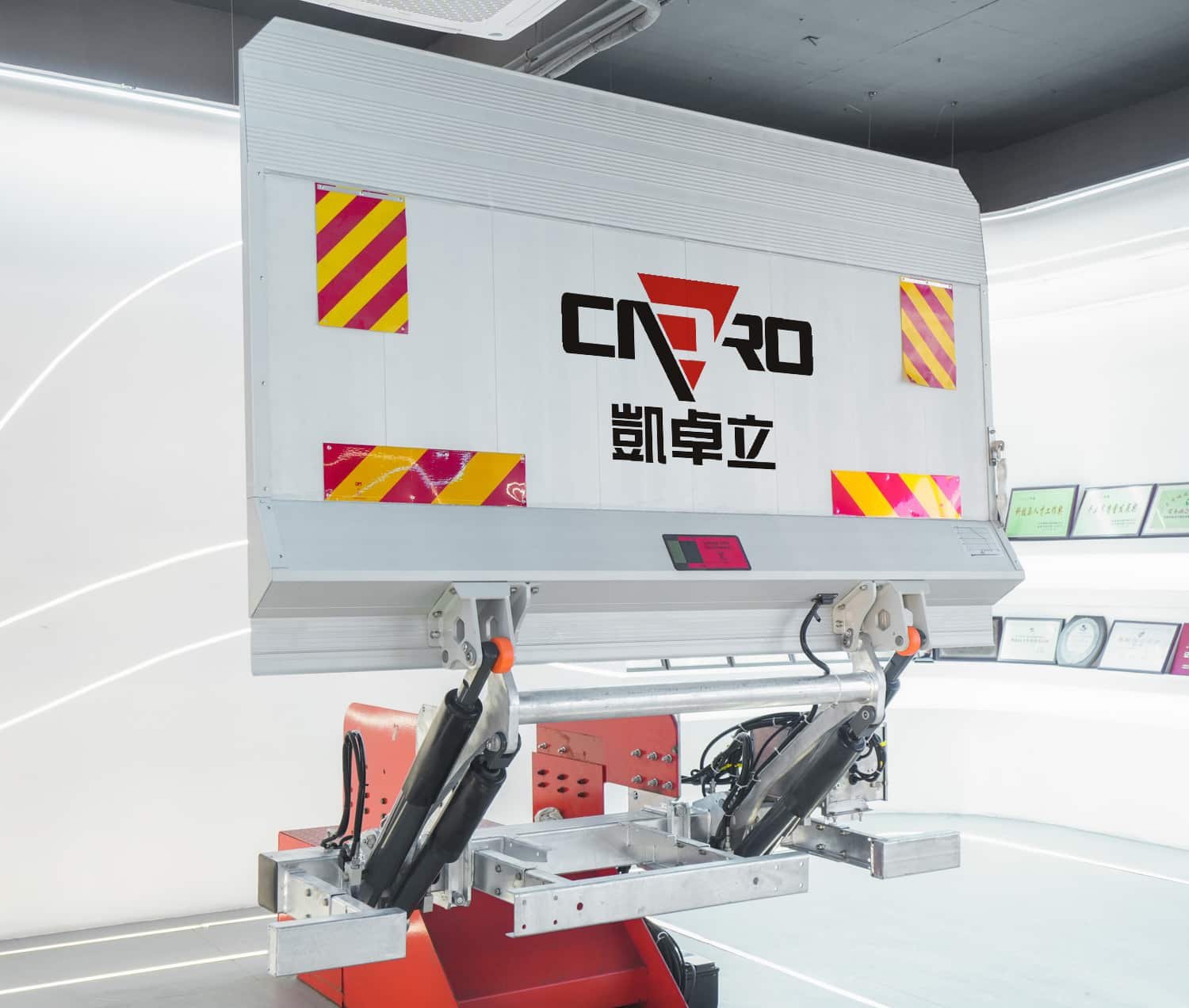
A compact folding hydraulic tail lift can be especially practical in demanding conditions. Specifically, it helps when the vehicle needs rear access, tight parking, and flexible loading at different sites.
2. Installation Quality Decides Daily Reliability
A truck liftgate may look simple from the outside. However, reliability depends on mounting points, hydraulic lines, electrical connections, controls, locks, and platform alignment.
Poor installation can create uneven wear, leaks, control problems, unstable movement, and avoidable downtime. Moreover, buyers should ask whether key installation points are checked before delivery. These include hydraulic oil level, hose routing, cable security, and platform height. In addition, warning labels, safety catches, locks, and smooth movement should also be verified.
welded structure, reinforced load-bearing points, compact folding design
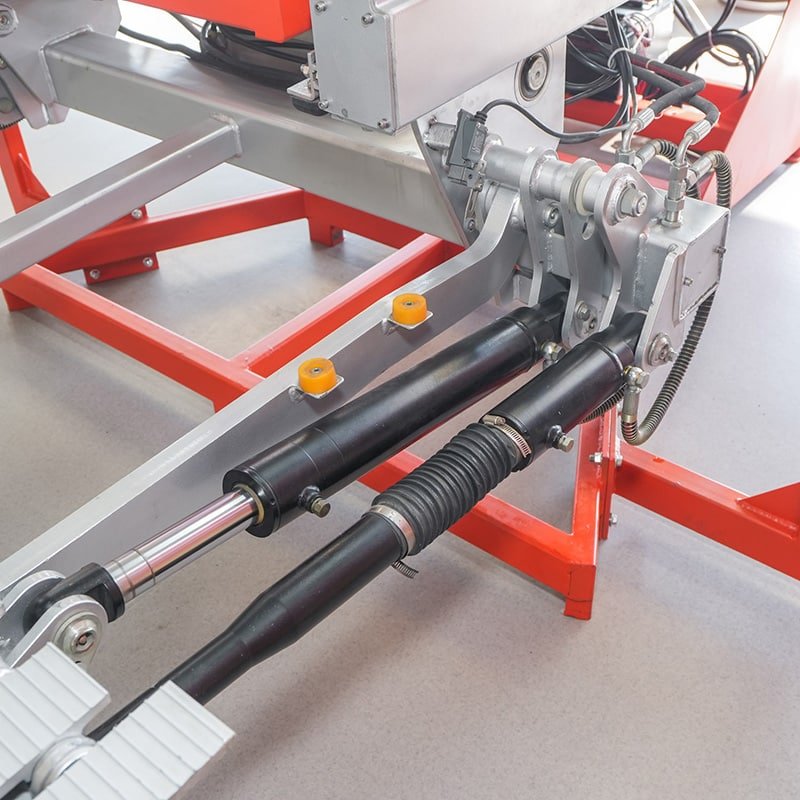
guided movement, smooth hydraulic lifting, stable platform travel
easier inspection, practical hose routing, secure cables and locks
3. Load Testing Should Happen Before Fleet Operation
A commercial vehicle liftgate should not go directly into daily service. It is not enough that it opens, closes, raises, and lowers without cargo. Crucially, load testing confirms whether the lift can safely handle its rated capacity. It also verifies that the platform remains stable during real lifting movement.
For procurement teams, this means the supplier must understand several key factors. Specifically, these include platform balance, load placement, structural support, and operating limits. In addition, the practical checks needed before delivery are equally essential.
4. Controls Must Support Visibility and Safe Handling
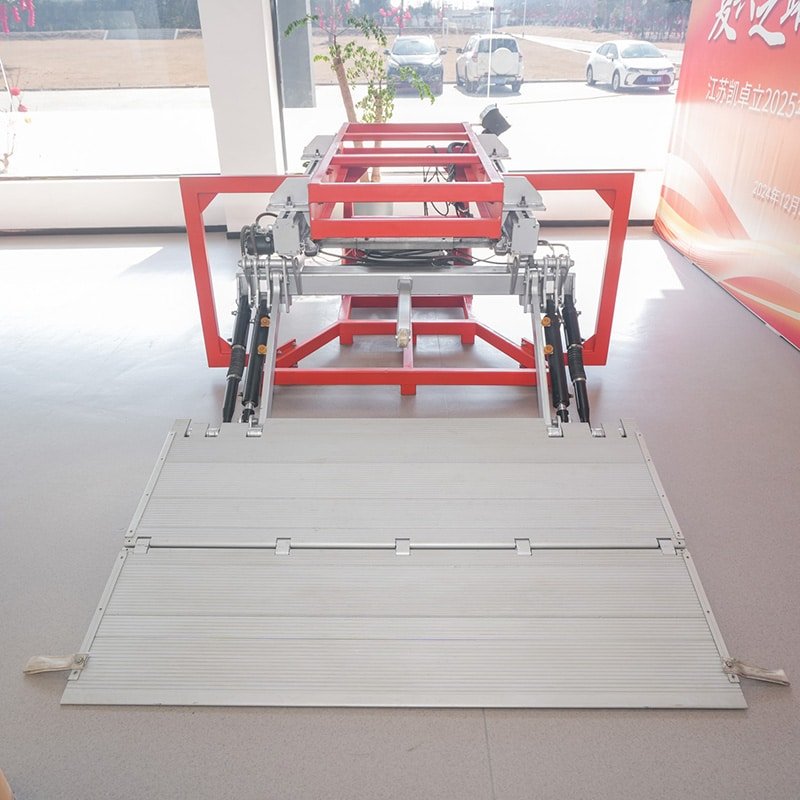
Controls are not only convenience features. Their position affects whether the operator can see key hazards during movement. For example, the operator needs a clear view of the platform, the load, pedestrians, nearby obstacles, and the vehicle body.
A practical hydraulic tail lift setup should help operators keep visibility of the working area while controlling the platform safely.
5. Daily Checks Protect the Investment
Even a well-installed hydraulic tail lift needs routine attention. Operators should check for oil leaks, damaged hoses, and loose bolts. Additionally, they should watch for platform surface damage, unusual noise, and warning system failure. Finally, any change in lifting movement deserves immediate attention.
For fleets that depend on the lift every day, easier maintenance matters greatly. In fact, predictable service access can be just as valuable as lifting capacity.
What This Means for Cadro Buyers
Cadro's strongest product expression should focus on buyer confidence. Specifically, this includes compact folding design, guided movement, and stable hydraulic lifting. It also covers reinforced load-bearing points, welded structure, and precision assembly. Finally, maintenance-friendly design logic rounds out the complete offering.
A hydraulic tail lift supplier should help buyers match key elements into one practical loading solution. These include the vehicle, cargo, structure, controls, installation checks, and maintenance logic.
Source Links
- Dhollandia SA — Certified Tail Lift Installations: https://dhollandiasa.com/2026/06/08/what-you-need-to-know-about-certified-tail-lift-installations
- Truck & Bus Builder — ACT Expo 2026 tail lift technology: https://truckandbusbuilder.com/article/2026/06/04/act-expo-2026-rise-robotics-presents-belt-driven-alternative-to-hydraulic-tail-lift
- Maximize Market Research — Tail Lift Market 2026-2032: https://www.maximizemarketresearch.com/market-report/tail-lift-market/92345
- AIHOT — logistics-related source check: https://aihot.virxact.com/all