In today’s industrial world, businesses face strong pressure to improve energy efficiency and reduce operating costs. Intelligent hydraulic supporting systems have emerged as an effective solution. By integrating advanced sensors, real-time monitoring, and smart control technology, these systems optimize performance while significantly cutting energy consumption and maintenance expenses.
From Traditional to Intelligent Hydraulic Systems
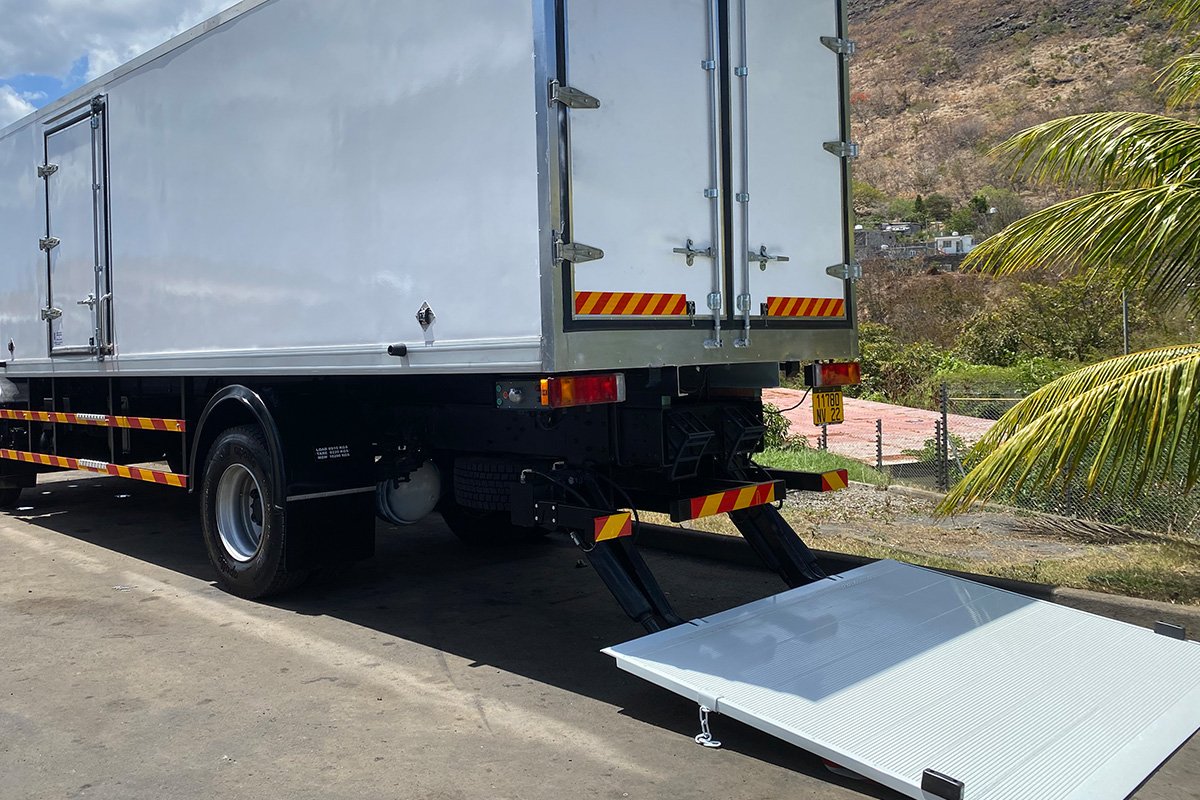
Traditional hydraulic systems use pressurized fluid to power heavy machinery and equipment, including hydraulic tail lifts. However, they often waste energy and require frequent maintenance. Intelligent hydraulic systems solve these problems by adding real-time sensors, data analytics, and adaptive control. The system continuously monitors pressure, flow rate, and temperature, then automatically adjusts operations to match actual needs.
Key Features and Benefits
One of the most important features is real-time monitoring combined with adaptive control. When load conditions change, the system instantly optimizes hydraulic flow and pressure. This results in energy savings of up to 30% compared to conventional systems.
Another major advantage is predictive maintenance. By analyzing data trends, the system can forecast when maintenance is needed, helping companies avoid unexpected breakdowns and reduce costly downtime.
Overall, intelligent hydraulic supporting systems deliver three clear benefits: lower energy consumption, reduced operating costs, and higher productivity. Machines run more efficiently, produce less waste, and require fewer repairs.
Wide Applications Across Industries
These systems are now widely used in construction machinery, manufacturing equipment, agricultural vehicles, and logistics applications such as hydraulic tail lifts. In every case, they help companies achieve smoother operation, better fuel economy, and improved safety.
Environmental and Future Advantages
Beyond cost savings, intelligent hydraulic systems support sustainability goals by lowering energy use and reducing hydraulic fluid consumption. As environmental regulations become stricter, this technology helps businesses stay compliant more easily.
Looking ahead, integration with IoT and advanced AI will make these systems even smarter, enabling greater automation and further efficiency gains.
Conclusion
Intelligent hydraulic supporting systems represent a major upgrade over traditional technology. They help modern industries achieve higher efficiency, lower costs, and better sustainability at the same time. Companies that adopt them today gain a clear competitive advantage for the future.