Efficiency drives the modern logistics and manufacturing industries. When choosing between lifting technologies, hydraulic supporting systems have rapidly outpaced traditional mechanical alternatives. This shift isn’t just a trend; it’s a response to the demanding needs of modern transport. At Cadro, we understand that the right hydraulic tail lift or supporting system can be the difference between a seamless operation and costly downtime. This article explores why hydraulic power remains the gold standard for design flexibility, durability, and high-performance output.
The Power of Fluid Dynamics
To understand the superiority of hydraulics, we must look at the mechanics. While mechanical systems rely on rigid components like gears, levers, and pulleys, a hydraulic supporting system utilizes fluid power. Following Pascal’s Law, these systems transmit pressure through an incompressible fluid to generate immense force. This allows even a compact truck tail lift to handle heavy cargo that would overwhelm a mechanical gear-driven assembly.
Unmatched Power Density and Design Flexibility
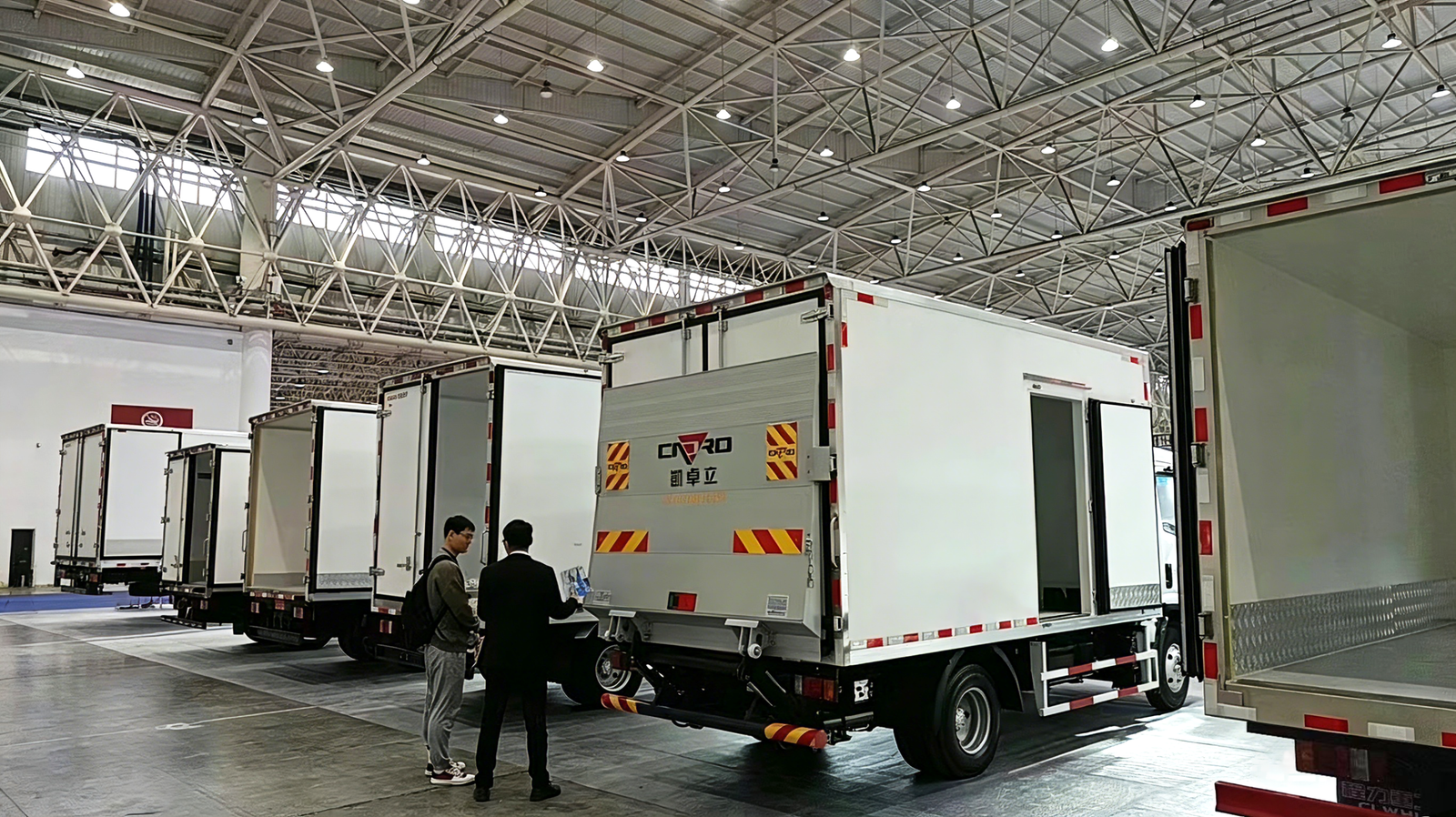
One of the most compelling reasons to choose a hydraulic tail lift is its incredible power-to-weight ratio. Hydraulic cylinders generate substantial force using relatively small components. This efficiency proves vital for commercial vehicle liftgates where space is limited but high output is mandatory.
Furthermore, hydraulic lines offer a level of design flexibility that mechanical systems cannot match. Engineers can route hydraulic hoses around obstacles and into tight spaces far more easily than complex gear arrangements. This versatility allows Cadro to design more compact and adaptable tail lifts for a wide variety of vehicle types.
Precision Control and Enhanced Safety
Safety is paramount in lifting operations. Hydraulic systems provide smooth, precise control over motion, allowing for gradual acceleration and deceleration. This eliminates the sudden jolts often found in mechanical systems, which can damage sensitive equipment.
More importantly, these systems offer inherent overload protection. If a load exceeds the capacity of a hydraulic supporting system, the fluid simply bypasses the circuit, preventing catastrophic mechanical failure. This feature is a critical safeguard for operators using aluminum cantilever lifts or heavy-duty column lifts in busy loading docks.
Long-term Durability and Simplified Maintenance
While the initial investment in high-quality hydraulics may be higher, the long-term savings are significant. Because hydraulics rely on fluid rather than direct metal-on-metal contact, they experience much less wear and tear. Reduced friction leads to longer component life and fewer breakdowns.
Maintenance is also surprisingly straightforward. While mechanical systems require constant adjustments to gears and pulleys, a hydraulic tail lift typically only needs periodic fluid inspections and seal checks. For fleet managers, this means increased uptime and lower operational costs over the vehicle’s lifespan.
Diverse Applications: From Logistics to Aerospace
The advantages of hydraulic power extend across various sectors:
Logistics & Transport: Hydraulic tail lifts are essential for the quick loading and unloading of commercial trucks.
Manufacturing: Precision hydraulic presses provide the force needed for metal forming.
Automotive: Hydraulics power everything from braking systems to professional vehicle lifts.
Conclusion
In the debate of hydraulic vs mechanical systems, hydraulics win on power, precision, and reliability. By integrating a professional hydraulic supporting system into your fleet or machinery, you ensure a safer, more efficient workflow. Despite the minor challenges of fluid management, the performance benefits make hydraulics the compelling choice for any serious engineering application.