
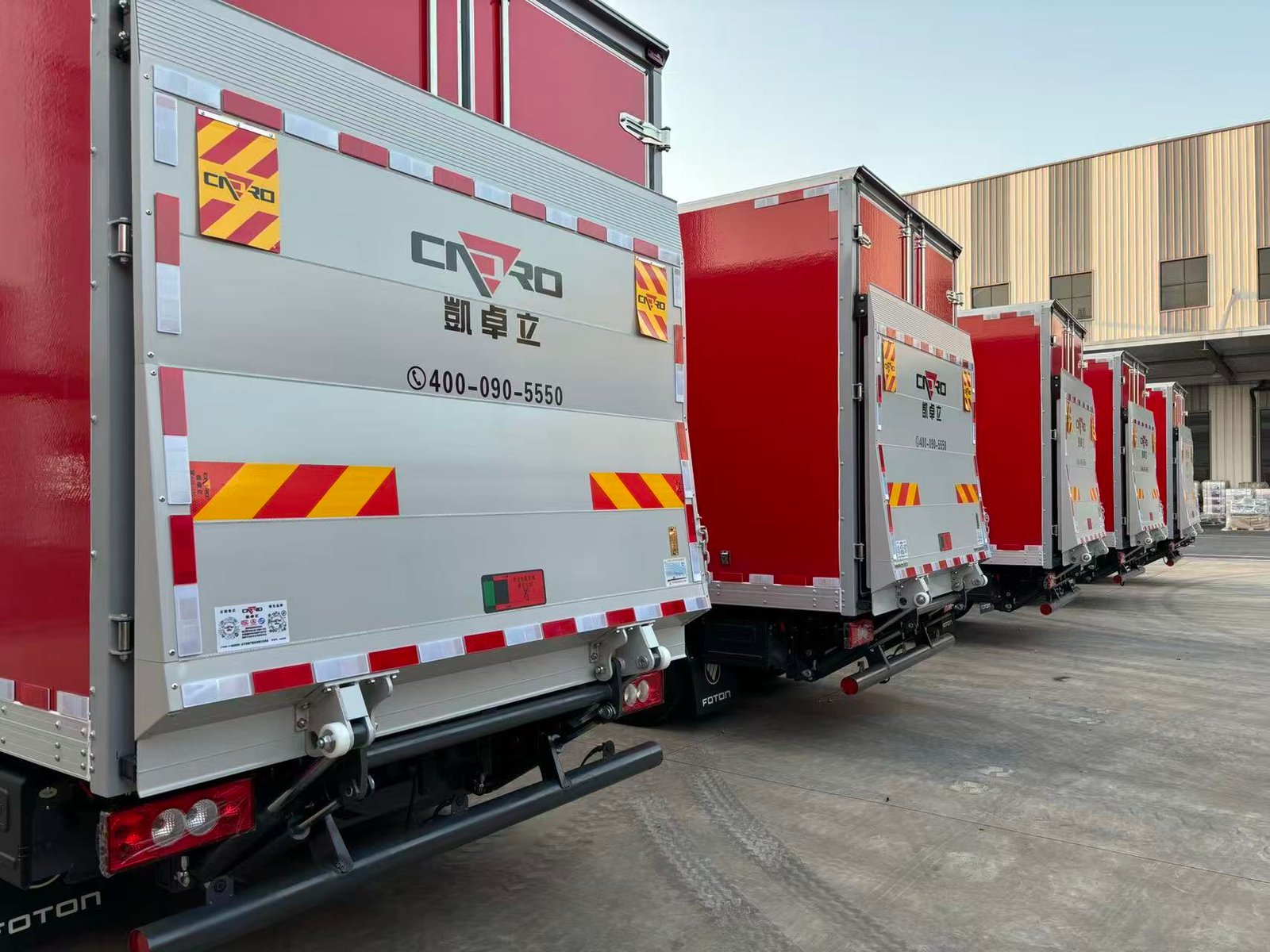
In today’s competitive industrial environment, companies face strong pressure to improve energy efficiency and reduce operating costs. Many still rely on traditional hydraulic systems that frequently cause unexpected breakdowns and high maintenance expenses.
Fortunately, intelligent hydraulic supporting systems offer a powerful alternative.
From Traditional to Intelligent
Traditional hydraulic systems power essential equipment such as hydraulic tail lifts, construction machinery, and manufacturing tools. However, they often suffer from energy waste and sudden failures.
Intelligent hydraulic systems address these issues effectively. They integrate advanced sensors, artificial intelligence, and real-time data analytics to monitor critical parameters like pressure, temperature, and fluid levels. The system then automatically adjusts operations based on actual working conditions.
Core Features and Major Benefits
Dynamic optimization stands out as one of the biggest advantages. When load conditions change, the system instantly adjusts hydraulic flow and pressure. Consequently, many companies achieve up to 30% energy savings compared to conventional systems.
Moreover, predictive maintenance analyzes performance trends and forecasts potential problems before they occur. This proactive approach helps reduce costly downtime and repair expenses while boosting overall productivity.
Wide Applications Across Industries
These intelligent systems deliver clear value in multiple sectors. Construction companies use them to enhance excavators and cranes. Manufacturers benefit from precise control in stamping and assembly lines. In logistics and agriculture, they improve the performance of hydraulic tail lifts, tractors, and harvesters.
Sustainability and Future Outlook
Beyond impressive cost savings, these systems also support sustainability goals by lowering energy consumption and hydraulic fluid usage. As environmental regulations tighten, this technology helps companies meet compliance requirements more easily.
Looking ahead, deeper integration with IoT and advanced AI will make these systems even smarter. This evolution promises greater automation and further efficiency gains in the years to come.
Conclusion
Intelligent hydraulic supporting systems represent a significant advancement in hydraulic technology. They enable modern industries to achieve higher energy efficiency, lower costs, and greater productivity while promoting more sustainable operations. Companies that adopt this technology today will gain a clear competitive advantage for the future.
[…] […]