Cadro Tail Lift Content Draft | 2026-06-02
Hydraulic Tail Lift Installation Checklist for Fleet Buyers
A practical guide to choosing, retrofitting, and operating a hydraulic tail lift with lower downtime, smoother lifting, and safer daily unloading.
Why this topic matters
A hydraulic tail lift should reduce loading pressure, not create new service headaches. Recent industry content has focused on installation quality, retrofit checks for older trucks, and operator training. That makes this a strong buyer-focused topic for fleets, distributors, and commercial vehicle body builders.
Instead of promoting specifications in isolation, this angle answers the questions buyers actually ask before ordering: Will the lift fit the vehicle properly? Will it stay reliable in repeated use? Will operators be able to use it safely every day?
What buyers should check first
1. Real loading job
- What cargo is being moved: pallets, cages, boxes, or awkward loads?
- How many lift cycles happen each day?
- Is unloading done at docks, warehouses, or roadside stops?
2. Vehicle compatibility
- Check bed height, rear overhang, axle limits, and body structure.
- Confirm electrical capacity before finalizing the specification.
- For older trucks, inspect corrosion, repairs, and remaining service life.
3. Daily-use structure
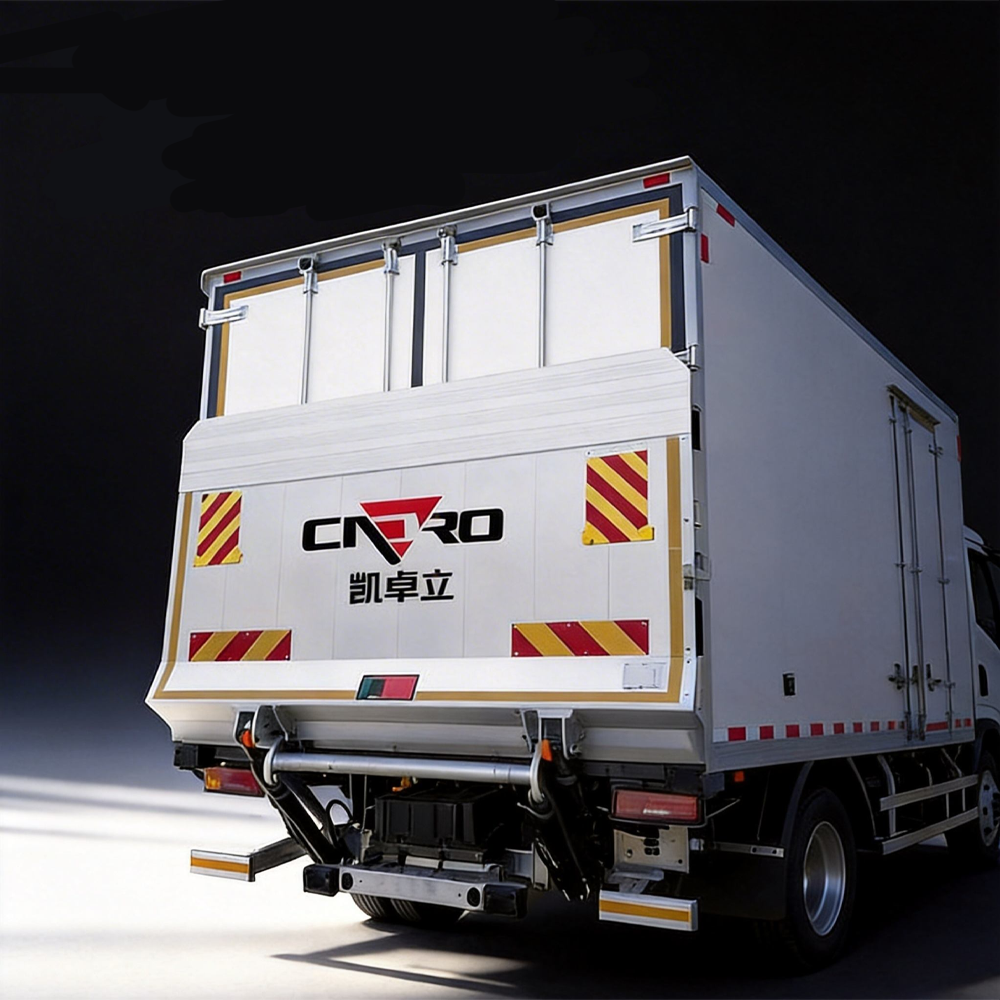
- Compact folding designs help save rear space when the lift is stowed.
- Guided motion and stable operation improve operator confidence.
- Platform size must suit the actual cargo footprint.
4. Training and service
- Operators need pre-use checks and proper load positioning.
- Area control matters as much as lift function.
- Maintenance-friendly access helps reduce downtime.
Installation quality affects uptime
Correct alignment, reinforced load-bearing points, clean hydraulic routing, and proper testing all influence how the lift behaves in the field. A poorly matched or poorly installed lift may still work at first, but repeated daily cycles quickly expose weaknesses through rough motion, extra wear, or service interruptions.
For that reason, buyers should treat installation quality as part of the total cost of ownership. Easier inspection access, smoother lifting, and stable operation usually pay back through lower maintenance pressure and fewer delivery disruptions.
Retrofit projects need a deeper review
Adding a tail lift to an older truck can be a smart way to improve loading efficiency without replacing the whole vehicle. But retrofits only make sense when the chassis, axle limits, electrics, and rear structure can support the added weight and working stress.
That is why a retrofit discussion should begin with a technical review instead of a price sheet. A fleet that checks compatibility early is far more likely to gain practical value from the project.
Where Cadro fits naturally
Cadro can be positioned as an export-oriented hydraulic tail lift manufacturer and supplier for commercial vehicle loading solutions. The strongest message is not generic factory language, but fit-for-application support: customized capacity, platform size, compact folding design, and technical communication that helps the buyer choose a lift that works in real service conditions.
This buyer perspective also aligns with what fleets care about most: smoother lifting, stable operation, safer unloading, easier maintenance, and better long-term reliability.
Need a tail lift that fits the truck and the route?
Choose a supplier that can discuss vehicle type, cargo profile, unloading environment, duty cycle, and maintenance expectations before production starts. That is how lower downtime and more dependable daily performance are built into the project from day one.