Hydraulic Tail Lift Selection: The Uptime-First Checklist for Fleet Buyers
The global tail lift market races toward $2.9 billion by 2032. Yet fleet managers consistently report that a rated capacity on a specification sheet reveals almost nothing about whether a commercial vehicle liftgate will keep trucks rolling through peak delivery windows. This guide unpacks what actually separates uptime-protecting configurations from costly compromises.
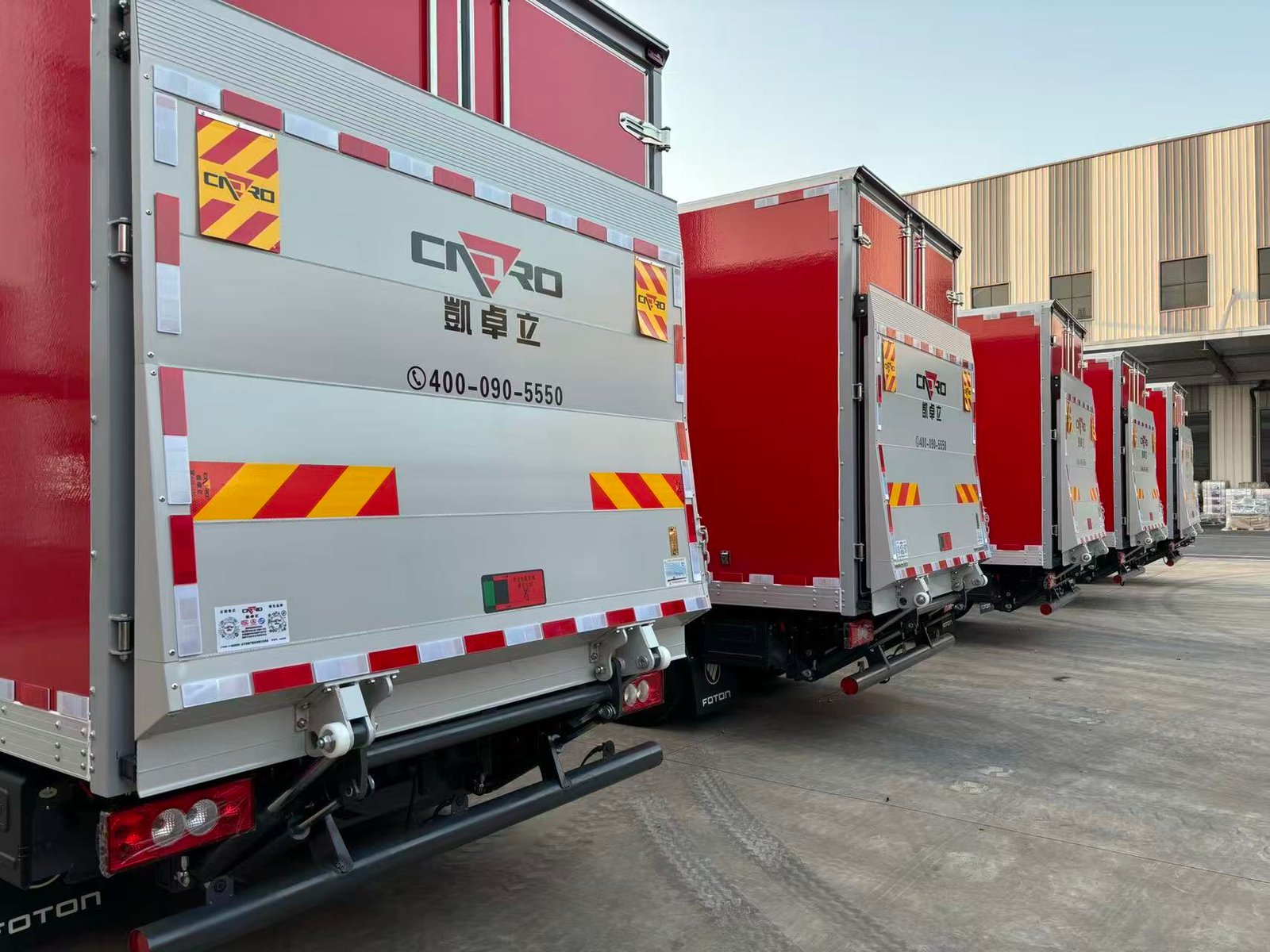
Notably, selecting a hydraulic tail lift involves far more than matching a rated capacity to a vehicle chassis. According to Research and Markets (2026), the global tail lift market is projected to expand from $1.1 billion to $2.9 billion by 2032. This growth is driven by a compound annual growth rate of 14.3%. However, while manufacturers race to capture this demand, fleet buyers face a more practical problem. The specifications that determine daily uptime—mounting geometry, duty cycle tolerance, service-point accessibility, and parts supply continuity—rarely appear on a standard quotation sheet.
The operational cost of specification oversights
Consequently, a purchasing decision that prioritizes upfront price over operational fit can compound into thousands of dollars in unplanned maintenance costs. It can also inflate vehicle off-road hours within the first twelve months of service.
Moreover, the operational stakes have intensified alongside surging e-commerce logistics volumes. DataIntelo reports that the commercial vehicle electric tailgate segment alone already represents a $1.17 billion market in 2025. Logistics applications within this segment are growing at a 12.3% CAGR. Every hour a delivery truck sits idle waiting for a truck liftgate repair translates directly into missed delivery windows, contractual penalties, and eroded customer trust. The evidence from fleet maintenance logs consistently demonstrates a single pattern. Downtime originates not from worn components alone. It stems from specification decisions made months before the first bolt is tightened.
Why Rigorous Specification Matters More Than Rated Capacity
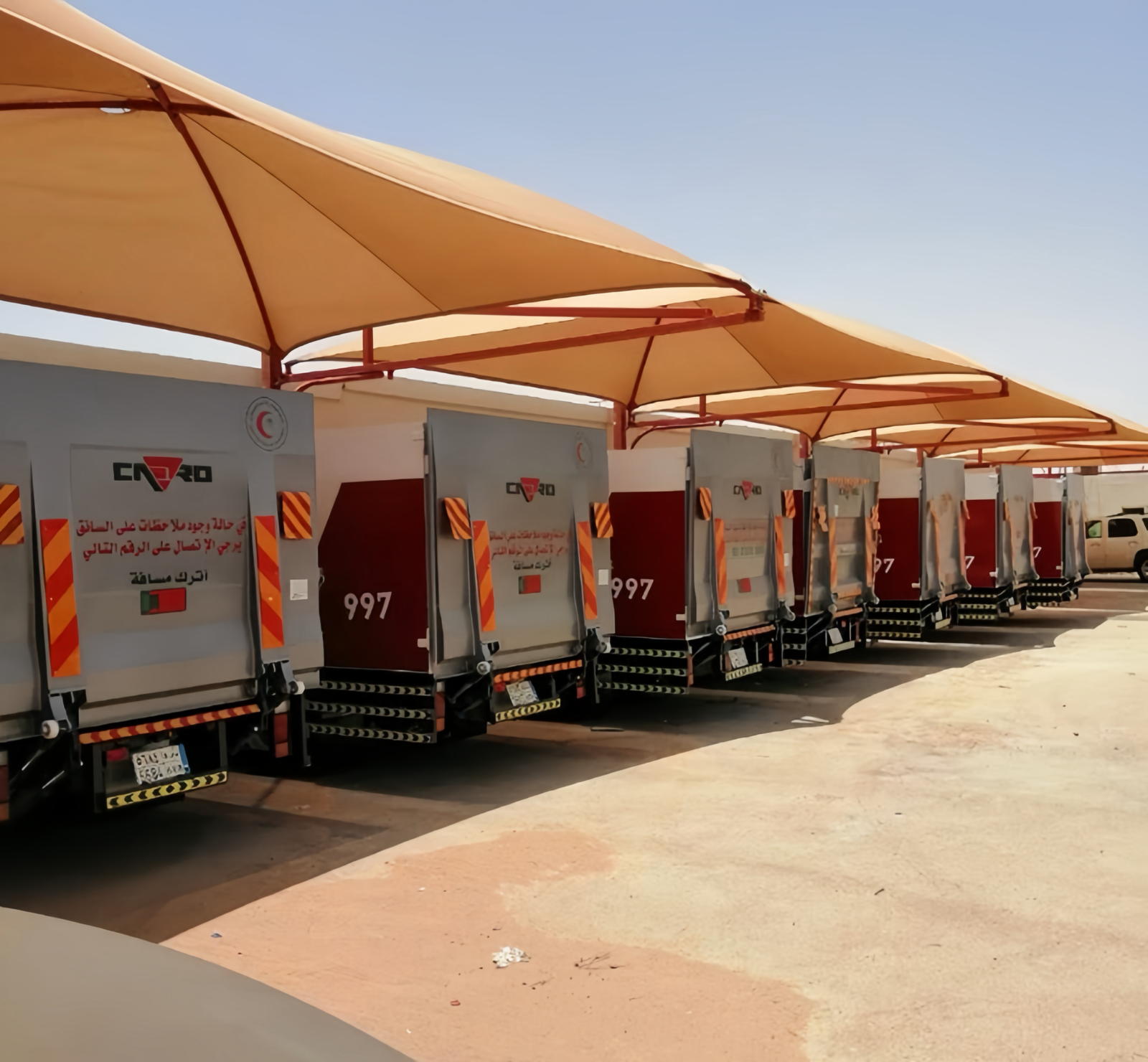
In fact, rated capacity on a data sheet creates an illusion of sufficiency.
How daily service stress tests expose specification weaknesses
What fleet operators actually experience in daily service tells a very different story. Asymmetric loading events, repeated high-frequency cycling, and exposure to road salt and moisture test a completely different set of design parameters. As a result, the gap between nominal capacity and real-world durability widens exponentially. This becomes particularly evident once a hydraulic tail lift enters its second or third duty cycle year. Furthermore, daily operational stress reveals design parameters that static capacity ratings simply cannot capture. Specifically, cyclic loading patterns, environmental exposure, and operator handling variability combine to test every engineering decision embedded in the tail lift's architecture. These real-world conditions form the only reliable basis for evaluating whether a configuration will sustain uptime across its intended service life.
Industry insight: Fleets that shift from price-led procurement to specification-led procurement report measurably fewer unscheduled service interventions within the first twelve months. Notably, the divergence becomes statistically significant after the initial bedding-in period, when mounting inconsistencies and hydraulic micro-leaks begin to compound across daily cycles.
The specification gap widens after the first operating year
Field data from multi-shift logistics operations substantiates a consistent finding. A commercial vehicle liftgate that performs without incident during the initial commissioning period may still conceal latent specification mismatches. These mismatches include inadequate mounting reinforcement for actual load distribution patterns. They also encompass hydraulic routing that places hoses too close to exhaust heat. Other examples involve platform geometry that forces operators to adopt unsafe loading angles. None of these trigger immediate failures. Instead, they accelerate cumulative wear. Maintenance logs reveal that hydraulic cylinder seals in mis-specified installations degrade at roughly double the expected rate. Pivot-point bushings exhibit measurable ovalisation after fewer than 10,000 cycles. Notably, the root cause is rarely a manufacturing defect. In fact, it is almost always a specification decision that optimized for a brochure number rather than the actual operating context.
Lifecycle costing validates the specification-first approach
Procurement teams that incorporate lifecycle costing into their evaluation framework consistently validate what fleet maintenance records already demonstrate. A folding hydraulic tail lift configuration that costs 15–20% more upfront can still deliver a stronger net return. Why? It reduces annual service hours by a quantifiable margin over a typical five-year fleet cycle. Industry maintenance data indicates that professionally commissioned installations can reduce cumulative repair costs by approximately 25% over a standard ownership period. This reduction occurs primarily because alignment-critical issues are substantially mitigated during the initial commissioning phase. These issues include seal wear from asymmetric cylinder loading, stress concentrations at hinge points, and accelerated hose fatigue from improper routing. Ultimately, the financial arithmetic is straightforward. Every avoided emergency service call preserves the repair budget. It also protects the revenue that a stranded truck would otherwise forfeit.
The Hidden Cost of Specification Gaps: A Comparative Analysis
Specifically, two procurement approaches can yield dramatically different fleet outcomes—even when both result in the same rated capacity on the vehicle plate.
Specification-led versus price-led: What the data shows
The divergence stems from whether specification quality or purchase price drives each decision point. The following comparison quantifies how this single variable cascades through fleet operational outcomes.
- ✔ Matches platform geometry and load distribution to verified daily workloads, not brochure maxima
- ✔ Confirms chassis compatibility, mounting clearance, and hydraulic routing before order placement
- ✔ Audits service-point accessibility—grease nipples, cylinder inspection ports, wiring junctions
- ✔ Evaluates spare-parts availability, regional support coverage, and typical lead times
- ✔ Integrates operator training into the commissioning timeline as a non-negotiable deliverable
- ✘ Selects based on lowest quoted capacity, disregarding real-world load distribution patterns
- ✘ Discovers chassis interference, rear-door obstruction, or bed-height mismatch during installation
- ✘ Only identifies blocked lubrication points and inaccessible cylinder mounts months into service
- ✘ Learns parts lead times and supply-chain gaps during emergency breakdown scenarios
- ✘ Defers operator orientation, resulting in inconsistent usage patterns that accelerate wear
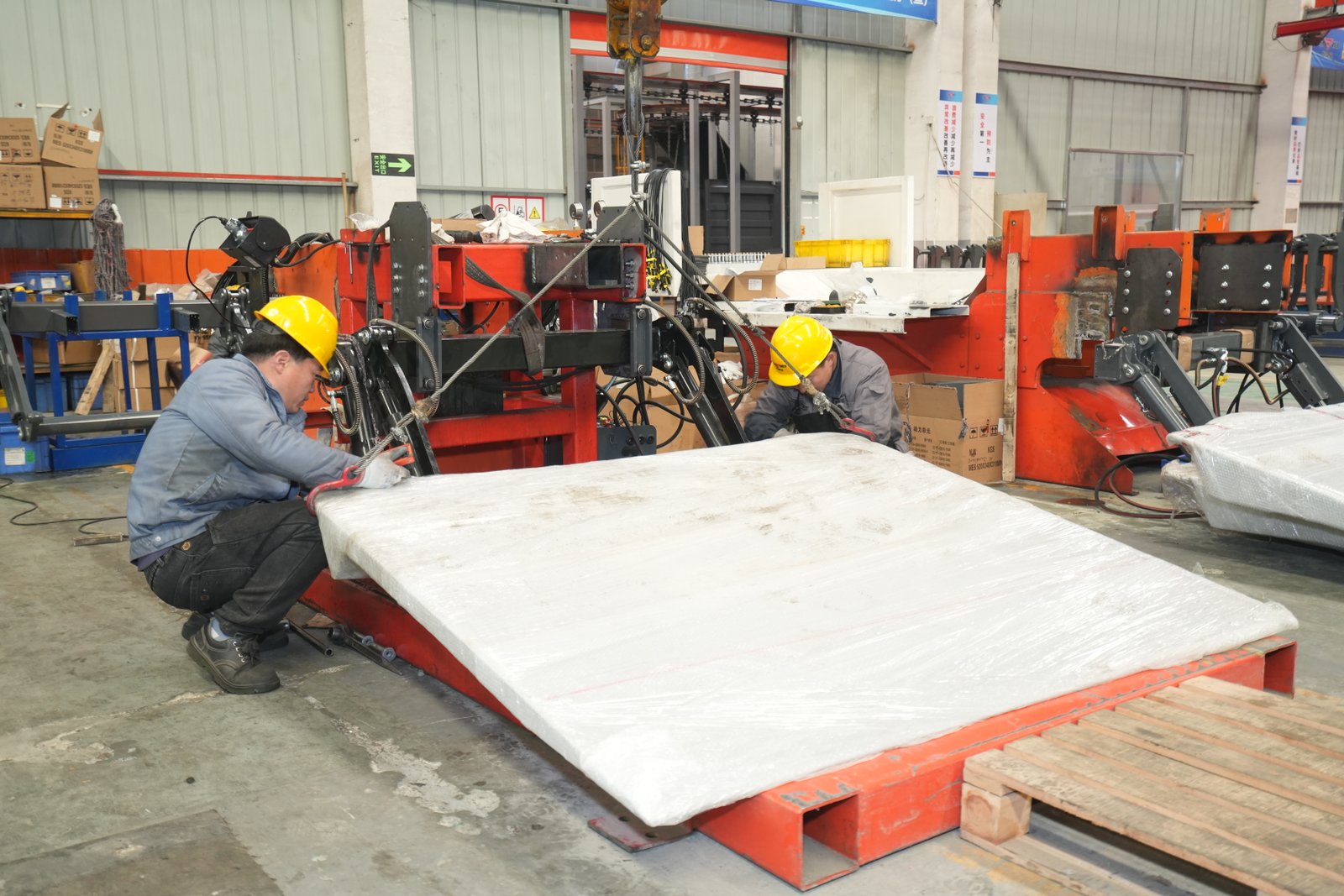
Indeed, the contrast between these two approaches manifests most starkly in fleet maintenance records.
What fleet maintenance records reveal about the two approaches
Data aggregated from operator logs shows that specification-led deployments consistently demonstrate fewer unscheduled interventions. Notably, routine inspection turnaround is faster. First-attempt fix rates are higher when compared against price-led acquisitions of equivalent rated capacity. Ultimately, the difference is not marginal—it is operationally decisive over any ownership period exceeding eighteen months.
Where the Right Hydraulic Tail Lift Delivers Measurable Returns
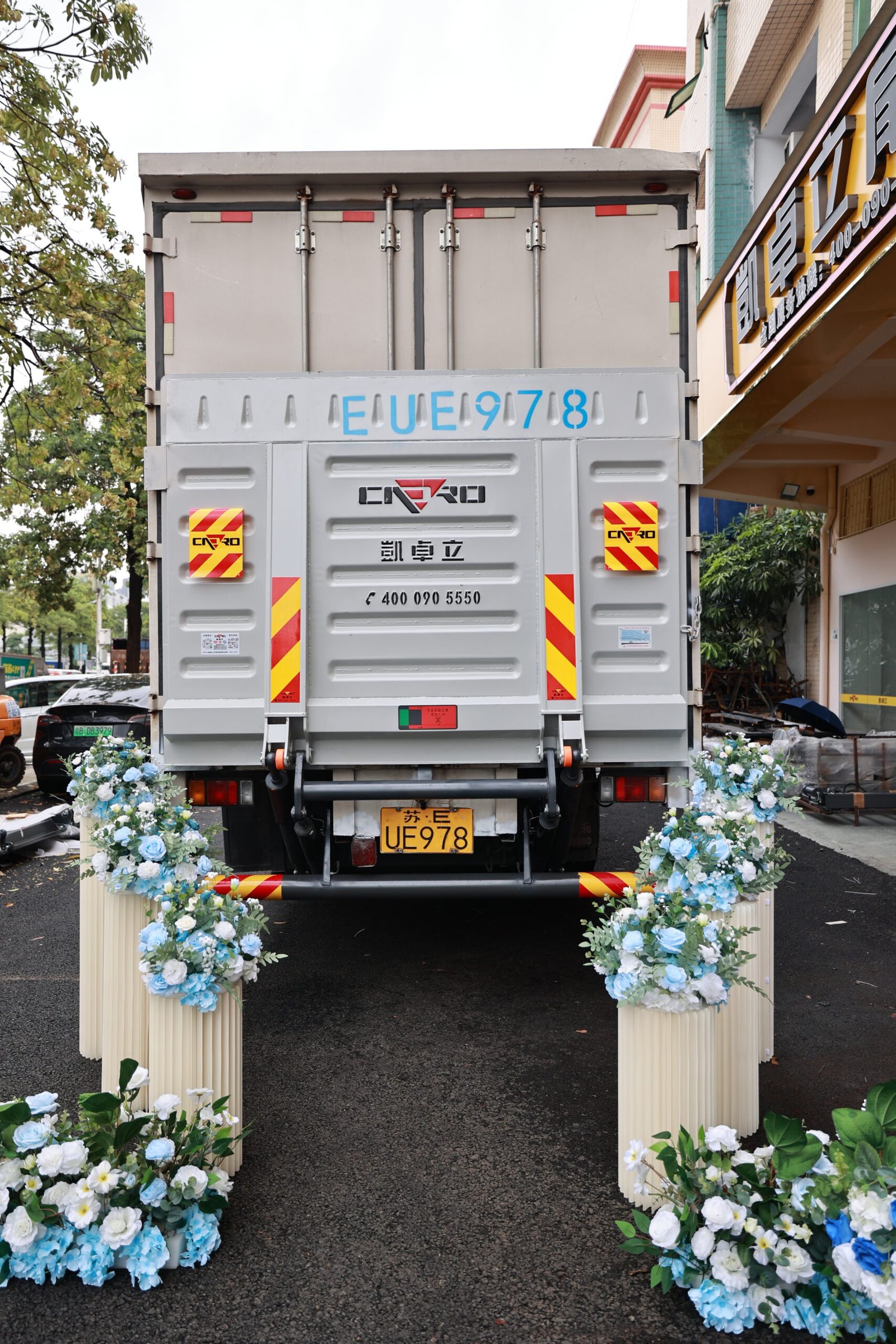
Operating environments impose fundamentally different stress profiles on a hydraulic tail lift.
How each application environment shapes specification requirements
A configuration that excels in urban multi-stop delivery may prove entirely inadequate for industrial plant logistics. In particular, each application amplifies specific design requirements in different ways. Procurement teams can use this understanding to target configurations that genuinely protect uptime.
Notably, the following four operating environments illustrate how fundamentally different stress profiles demand fundamentally different specification approaches from a hydraulic tail lift.
Multi-stop delivery routes subject a truck liftgate to 40–80 cycles daily across sidewalks, uneven curbs, and tight loading bays. Specifically, fast platform deployment, predictable guided motion, and protected hydraulic routing constitute non-negotiable requirements. Fleet records demonstrate that aluminum-platform configurations reduce fuel consumption by approximately 3–5% on high-cycle urban routes. This saving compounds across hundreds of vehicles over a five-year cycle.
In particular, repeated exposure to sub-zero temperatures and thermal cycling demands hydraulic seals rated for extreme service ranges. Refrigerated-body installations require careful coordination between insulation panels and mounting brackets to maintain thermal integrity. A folding hydraulic tail lift with stainless-steel pivot hardware and cold-rated hydraulic fluid substantially extends mean time between failure (MTBF) in freezer-loading applications.
Heavy industries and off-highway environments raise the specification bar further
In contrast, industrial manufacturing and construction applications impose significantly more demanding requirements. Notably, these environments demand structural reinforcement, oversized hydraulic components, and contamination-resistant sealing—requirements that directly affect long-term reliability.
Steel cages, machinery pallets, and heavy drums generate concentrated point loads that stress platform surfaces and hinge assemblies far beyond distributed cargo. Specifically, structural reinforcement at load-bearing points, over-spec cylinder sizing, and robust guided-motion mechanisms mitigate asymmetric loading damage that would otherwise appear within the first operating quarter.
Unpaved surfaces, high dust loads, and irregular terrain demand elevated ingress protection for all hydraulic and electrical components. Moreover, reinforced hose sheathing, sealed electrical connectors, and heavy-duty platform surface treatments prevent contamination-related failures. These failures consistently appear in maintenance records of under-specified construction fleet installations within six months of deployment.
Yet not certain which hydraulic tail lift configuration matches your operational profile?
A fifteen-minute specification consultation with an application engineer can identify configuration mismatches before they become downtime events. In fact, early engagement preserves configuration flexibility and protects the project timeline.
Request a Specification Review →Installation Excellence: Seven Steps That Protect Long-Term Uptime
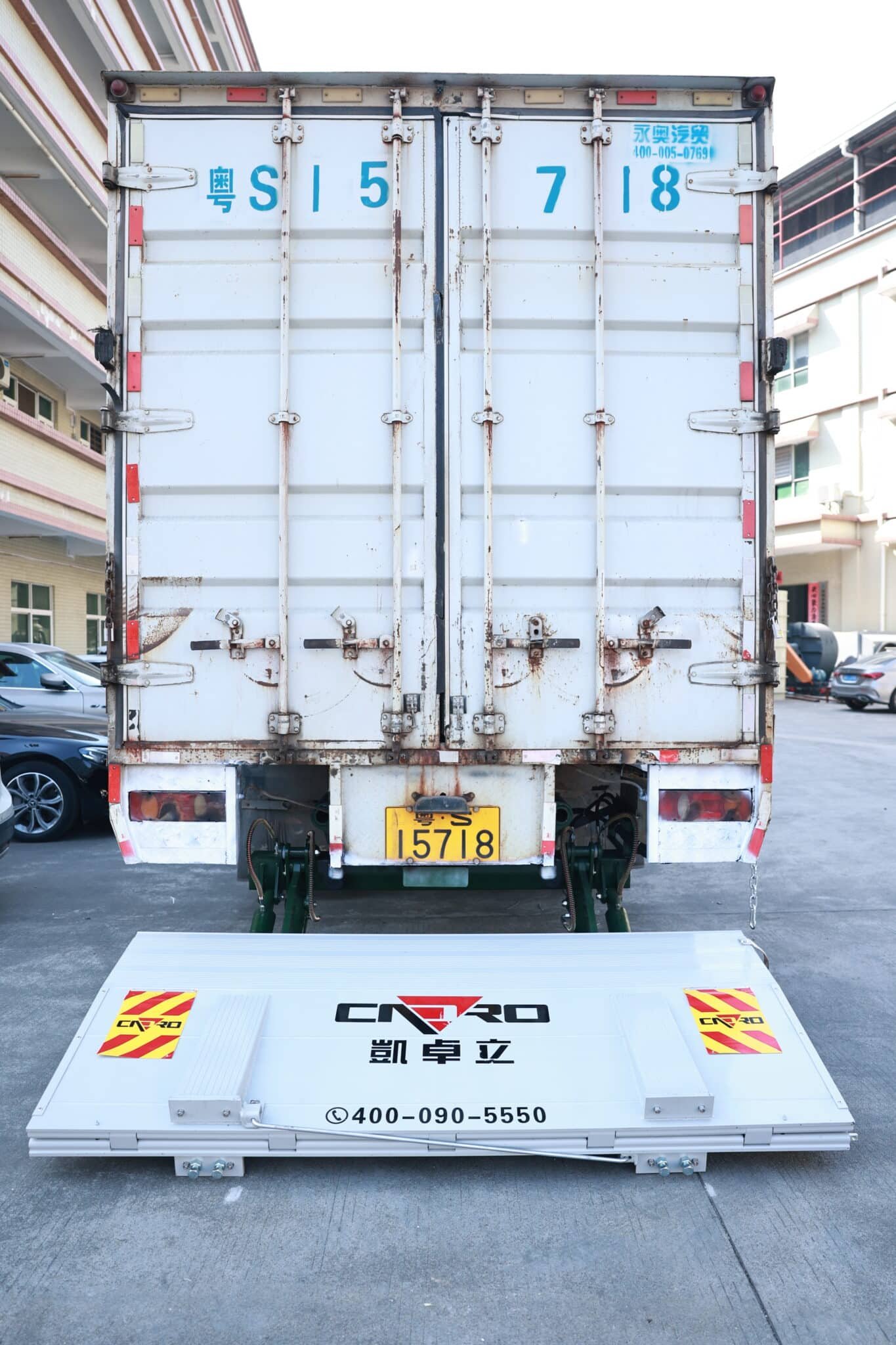
Installation quality directly determines operational safety and reliability across the entire service life of a commercial vehicle liftgate.
Why installation quality functions as a structural investment
Industry maintenance records reveal that nearly 30% of tail lift-related incidents trace back to improper mounting alignment or inadequate structural fastening. These problems typically emerge only after months of daily cycling. Microscopic deviations compound into measurable failures over time. When platform geometry deviates by even a few millimeters from its design specification, hydraulic cylinders experience asymmetric loading. Consequently, this accelerates seal degradation and creates stress concentrations at hinge points. A professionally commissioned installation therefore functions not as a one-time expense but as a structural investment. It reduces cumulative repair costs by up to 25% over a typical five-year fleet cycle. The following seven-step framework operationalizes this principle.
Step 1: Verify Complete Vehicle Compatibility Before Order Placement
The single most consequential specification error occurs before any component arrives at the workshop. Specifically, it is the assumption that a truck liftgate rated for a given chassis will mount without interference. Empirical evidence from body-builder networks consistently demonstrates a clear pattern. In fact, chassis rail spacing, rear cross-member geometry, exhaust routing, and spare-wheel positioning each create potential conflicts. A generic datasheet cannot predict these conflicts.
- Measure chassis rail spacing, bed height, and rear overhang to millimeter precision
- Map all rear-body obstructions—light clusters, registration plates, rear underrun protection
- Confirm electrical system capacity and identify clean routing paths for power and control cables
- Verify that platform stowage position clears all operational and regulatory requirements
Step 2: Calibrate Capacity Selection to Actual Duty Cycles, Not Brochure Maxima
Rated capacity on a specification sheet answers only one narrow question: what is the maximum static load the platform can lift? However, it does not address duty cycle intensity. How many times per day does the hydraulic tail lift cycle under load? At what ambient temperatures? Across what range of load positions? Overall, these factors collectively determine whether hydraulic components operate within their designed service envelope or drift into accelerated-wear territory.
- Identify the heaviest routine load configuration, not the theoretical maximum
- Quantify daily lift cycles under loaded and unloaded conditions across all shifts
- Evaluate loading surface conditions—docks, uneven streets, sloped customer sites
- Determine whether platform dimensions accommodate the largest regular cargo footprint
Step 3: Audit Hydraulic System Integrity Beyond the Headline Pressure Rating
Hydraulic integrity encompasses far more than a pressure rating stamped on a cylinder body. Specifically, it includes hose material specification, fitting compatibility, fluid-grade selection, and the physical protection of every fluid path from the pump unit to the cylinder ports. For example, maintenance logs from commercial fleets operating in coastal regions consistently document accelerated hose degradation. This occurs when standard-grade hydraulic lines encounter salt-laden moisture. Upgraded stainless-steel braided lines substantially mitigate this failure mode.
- Inspect hose routing paths for proximity to exhaust, sharp edges, and moving suspension components
- Verify that cylinder mounting brackets distribute load across chassis rails, not localized bolt points
- Confirm guided-motion geometry produces smooth, even platform travel without hesitation or drift
- Evaluate surface treatments, seal materials, and protective coatings for the intended operating climate
Step 4: Embed Serviceability Into the Specification From Day Zero
Procurement teams routinely interrogate capacity, price, and lead time. Yet they rarely ask how quickly a technician can complete a routine lubrication inspection or replace a worn cylinder seal. This oversight compounds across the fleet. When a thirty-minute greasing procedure requires two hours of body-panel disassembly, preventive maintenance compliance inevitably degrades. Deferred service then accelerates into unplanned breakdowns.
- Confirm clear, tool-free access to all lubrication points, cylinder inspection ports, and wiring junctions
- Verify that structural fasteners remain accessible for routine torque checks without major disassembly
- Review the completeness of supplied documentation: parts diagrams, torque specifications, fluid-grade requirements
- Validate spare-parts availability, regional distribution coverage, and typical emergency lead times
Step 5: Commission With Precision—Alignment Audits Before the First Loaded Cycle
Post-installation commissioning procedures distinguish a reliable folding hydraulic tail lift from one destined for early service intervention. A rigorous commissioning protocol includes several critical verifications. Platform alignment must be checked under both loaded and unloaded conditions. Full-range travel testing confirms that no binding or hesitation occurs at any point in the motion arc. Hydraulic pressure must be validated against design specifications. Finally, electrical control system functional testing must cover all operating modes. Fleet records consistently demonstrate a clear pattern. Installations subjected to a documented commissioning protocol experience fewer warranty claims and unscheduled interventions. This is compared to those fast-tracked directly into revenue service.
Step 6: Integrate Operator Training as a Go-Live Prerequisite, Not an Afterthought
Operators represent both the primary users and the first line of defect detection for any truck liftgate. However, when training programs reduce operator competency to a brief verbal handover, fleets absorb entirely avoidable wear. Loads end up positioned off-center on platforms. Operators move through the motion cycle at excessive speed. Pre-use inspection steps are ignored. Fluid leaks go unreported. A structured operator training program covers several essential areas. Daily inspection procedures must be taught. Correct load positioning protocols need reinforcement. Safe working load awareness is fundamental. Defect reporting workflows must be clear. In fact, this approach substantially reduces the rate of operator-induced damage. Additionally, it simultaneously shortens the interval between fault occurrence and maintenance response.
Step 7: Establish a Preventive Maintenance Cadence Tied to Duty-Cycle Intensity
Fixed-calendar maintenance schedules ignore the fundamental variable that governs component wear: actual usage intensity. For example, a hydraulic tail lift completing 80 cycles daily in an urban distribution role accumulates wear at a fundamentally different rate. One completing 15 cycles on a regional delivery route wears far more slowly. In contrast, maintenance programs calibrated to duty-cycle intensity—rather than arbitrary calendar intervals—align service resources with actual degradation patterns. This calibration typically involves tracking cycle counts and monitoring hydraulic fluid condition through periodic sampling. Lubrication frequency should be adjusted based on observed pivot-point condition rather than a generic interval. Overall, the result is a maintenance program that neither under-serves high-intensity installations nor wastes resources on low-utilization units.
Why Procurement Teams Choose Cadro
When procurement teams evaluate tail lift manufacturer options for fleet-scale deployment, they consistently converge on a set of criteria that extends far beyond unit pricing.
Four pillars of Cadro's specification-first engineering approach
Notably, these criteria include configuration flexibility, installation support quality, documentation completeness, spare-parts supply chain reliability, and regional technical coverage. Cadro has structured its engineering, production, and support operations around precisely these procurement priorities. Specifically, each pillar reflects a distinct engineering decision that directly shapes whether a commercial vehicle liftgate sustains uptime across its intended service life or begins accumulating premature wear from day one.
Every Cadro hydraulic tail lift configuration originates from an application-first engineering methodology. Specifically, platform dimensions, cylinder specifications, mounting geometries, and hydraulic routing are matched to verified operational requirements—not preset by a limited catalog of off-the-shelf variants. Ultimately, this engineering approach substantially reduces the frequency of post-installation modification and retrofit work.
Cadro's guided-motion design philosophy ensures predictable, smooth platform travel across every cycle. In particular, by maintaining geometric consistency throughout the full range of motion, the folding hydraulic tail lift configurations minimize asymmetric stress on cylinders, pivot assemblies, and mounting structures. Consequently, this directly translates into extended component service life.
For OEM and distributor projects spanning multiple markets, Cadro provides structured technical documentation, application-matching support, and project coordination workflows. Furthermore, this export-oriented capability streamlines the specification process for international fleet deployments. In these cases, varying regulatory frameworks and chassis configurations demand meticulous coordination.
Spare-parts availability, technical guidance responsiveness, and warranty support infrastructure collectively determine whether a commercial vehicle liftgate undergoes a two-day repair or a two-week grounding. Notably, Cadro maintains structured parts distribution channels and technical support protocols. These are designed to minimize fleet off-road intervals when service intervention becomes necessary.
Fleet Evidence: What Operational Data Reveals
When procurement decisions shift from price-led to specification-led evaluation frameworks, the operational results manifest with measurable clarity. Indeed, these results become evident within the first quarter of service.
What specification-led fleet data consistently demonstrates
The performance indicators below reflect what specification-conscious fleets consistently document across diverse operating environments.
Specifically, fewer unscheduled maintenance interventions documented within the first twelve months of revenue service compared to price-led equivalents of identical rated capacity.
Notably, faster routine inspection turnaround resulting from accessible service points and comprehensive technical documentation.
Overall, higher first-attempt fix rate when maintenance teams operate with clear troubleshooting paths and verified parts availability.
Measurable outcomes that specification-led fleets consistently document
Fleet operators who deploy folding hydraulic tail lift configurations with aluminum platforms across multi-shift logistics routes document a particularly instructive pattern. Aluminum platforms typically reduce overall tail lift mass by 20–35% compared to equivalent steel configurations. This yields fuel savings that accumulate over high-mileage fleet cycles. Operators serving coastal routes or regions with winter road-salting programs report a consistent pattern. The initial cost premium for aluminum-platform configurations is typically recovered within two to three years. This recovery occurs through reduced corrosion-related maintenance and lighter vehicle tare weight. This return calculation has been validated across multiple fleet maintenance databases. It transforms what appears as a higher upfront investment into a quantifiable lifecycle advantage.
Duty-cycle-intensive applications reveal the widest performance gap
The performance differential becomes most pronounced in duty-cycle-intensive applications. For example, a truck liftgate completing 60–80 daily cycles in urban distribution accumulates approximately 15,000–20,000 cycles annually. This usage intensity rapidly exposes specification weaknesses invisible during low-cycle commissioning tests. Specifically, under these conditions, specification-led configurations with reinforced guided-motion mechanisms consistently demonstrate superior MTBF figures. Premium hydraulic seals and corrosion-resistant pivot hardware substantially exceed the performance of price-led alternatives. The operational evidence points toward a single inescapable conclusion. Ultimately, the specification decisions made before purchase reverberate through every subsequent maintenance event. They shape every delayed delivery and every unplanned fleet cost.
Frequently Asked Questions About Hydraulic Tail Lift Specification
Procurement teams evaluating hydraulic tail lift options consistently raise these questions during the specification phase. Specifically, the answers below distill industry best practices and operational evidence to guide informed purchasing decisions.
Q1: How much capacity margin should a hydraulic tail lift incorporate beyond the nominal load weight?
Do not size the lift to the lightest expected payload and assume the rated margin covers all conditions. Load distribution patterns—concentrated pallet weights, off-center cage positioning, dynamic forces during platform travel—generate peak stresses that can substantially exceed the nominal cargo weight. Specifically, a practical approach involves identifying the heaviest routine load configuration. Factor in the most demanding loading geometry. Then select a capacity that provides genuine operational headroom rather than a theoretical minimum. Notably, engaging a tail lift manufacturer with application engineering expertise early in the specification process ensures that capacity selection incorporates real-world load dynamics. This is preferable to relying on brochure assumptions.
Q2: Why does installation quality disproportionately affect long-term reliability?
Industry accident and maintenance data—including findings referenced by leading hydraulic equipment bodies—indicates that approximately 30% of tail lift-related incidents originate from installation deficiencies rather than component failure. Specifically, misalignment of even a few millimeters introduces asymmetric loading on hydraulic cylinders, accelerating seal degradation and creating progressive stress concentrations at hinge assemblies. A professionally commissioned truck liftgate installation demonstrably reduces the frequency and severity of early-life failures. This requires documented alignment verification and full-range functional testing before entering service. Indeed, the commissioning investment is not cosmetic—it directly governs the failure rate curve across the entire service life.
Q3: What design characteristics make a tail lift genuinely easier to maintain?
Maintainability is designed in, not retrofitted. Specifically, the critical characteristics include several key design elements. Lubrication points should be positioned for tool-free access without body-panel removal. Cylinder inspection ports must allow seal-condition assessment without disassembly. Wiring junctions need to be located away from moisture traps and road-spray zones. Structural fasteners should remain accessible for routine torque verification. A well-engineered commercial vehicle liftgate positions every service interface for efficient access. A technician can complete a thorough inspection within a standard workshop slot. Overall, this avoids wasting half a shift dismantling surrounding bodywork.
Q4: Should procurement decisions prioritize purchase price over specification quality?
Purchase price represents one line item in a multi-year cost equation. Specifically, maintenance labor hours, parts replacement frequency, vehicle off-road time, and operator productivity losses each compound across the ownership period. A folding hydraulic tail lift that costs more upfront consistently produces stronger net financial outcomes over a standard five-year fleet cycle. This is because it delivers measurably lower service intervention rates and faster inspection turnaround. In fact, lifecycle costing frameworks provide the appropriate analytical lens for procurement decisions. They are preferable to unit-price comparisons, particularly when operational uptime carries direct revenue consequences.
Q5: At what stage should the tail lift supplier become involved in the vehicle procurement process?
Engage the supplier at the vehicle specification stage—before the chassis order is finalized. Specifically, early engagement enables application-matched configuration recommendations, chassis compatibility verification, and installation planning that preserves maximum configuration flexibility. Procurement teams that defer supplier involvement until after vehicle delivery routinely encounter avoidable compromises. Chassis mounting points may conflict with tail lift brackets. Electrical system configurations can require unplanned modifications. Platform geometries may prove suboptimal for the actual cargo profile. Ultimately, an early, structured specification dialogue with a tail lift manufacturer eliminates these downstream costs at negligible upstream effort.
Q6: Are aluminum-platform tail lifts worth the additional investment?
Aluminum platforms reduce overall tail lift mass by 20–35% compared to equivalent steel configurations. This weight reduction delivers fuel savings that compound across high-mileage fleet operations. For coastal routes or regions with winter road-salting programs, aluminum's superior corrosion resistance eliminates a recurring maintenance cost category. Fleet operational data indicates that the initial cost premium for aluminum-platform hydraulic tail lift configurations is typically recovered within two to three years. This recovery occurs through combined fuel savings and reduced corrosion-related service interventions. For duty-cycle-intensive urban distribution fleets, the payback period can contract to approximately eighteen months.
Specify your next hydraulic tail lift with uptime as the primary performance metric
Currently, engage a Cadro application specialist to match capacity, mounting geometry, and support infrastructure to your fleet's actual operating profile—before the vehicle order locks in your configuration options.