
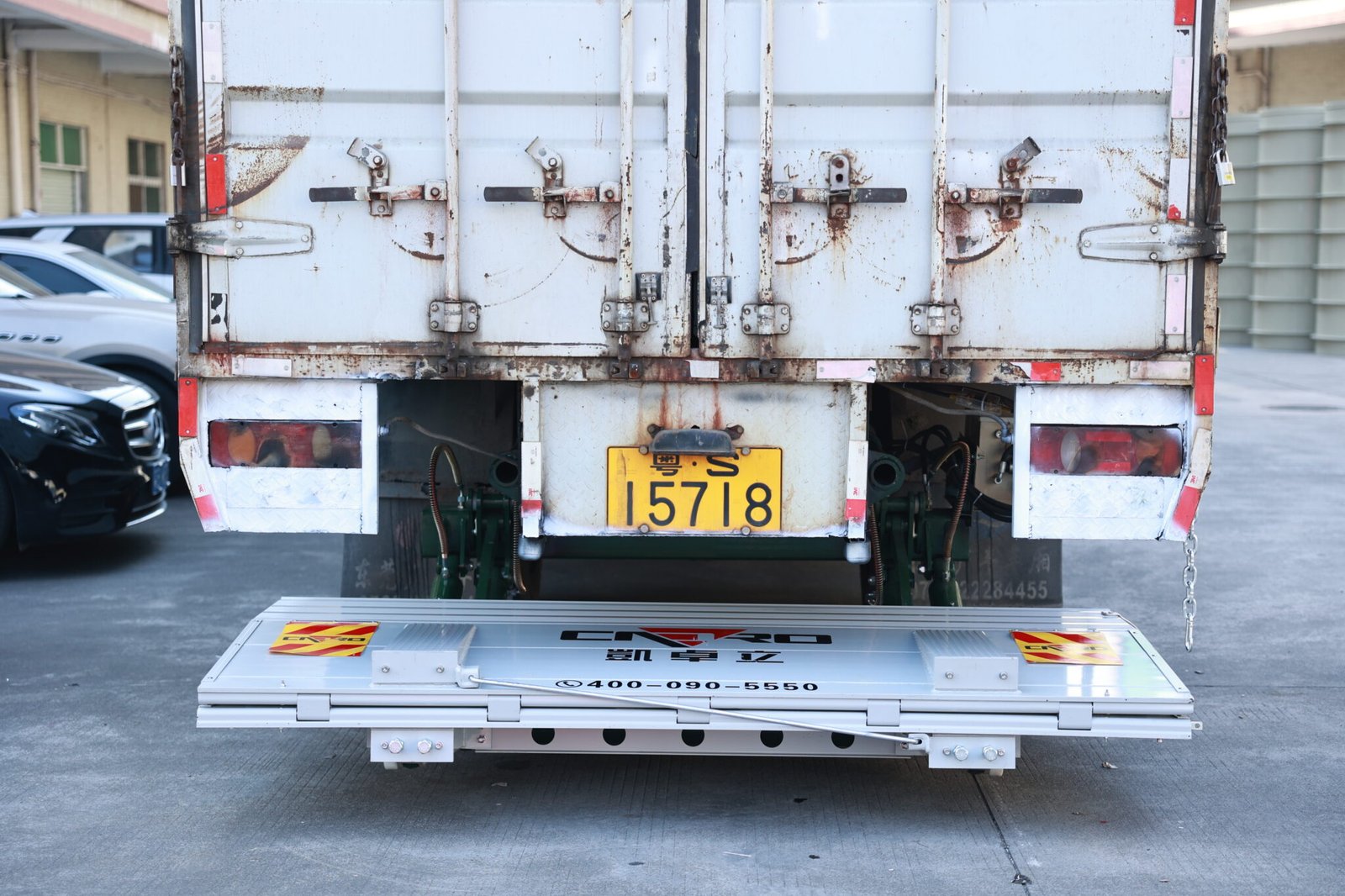
Anti-corrosion tail lifts help fleets work in rain, humidity, salt, and dirty loading yards. Rust can weaken the platform, hinges, pins, and frame. It can also raise repair costs.
The good news is simple. Better materials, strong coatings, and regular care can slow corrosion. They can also extend equipment life. This guide explains the main rust problems and the best ways to prevent them.
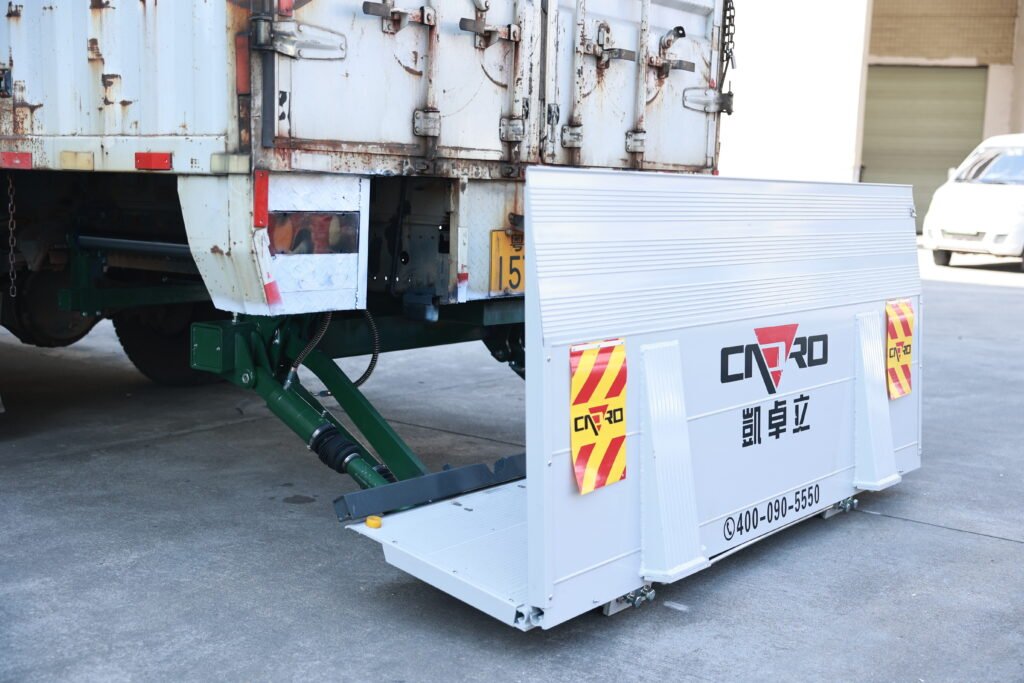
Common Rust Problems on Tail Lifts
Corrosion starts when metal reacts with water, salt, or chemicals. At first, the damage may look small. Later, it can cause pitting, cracks, weak joints, or unsafe movement.
Uniform rust spreads across open surfaces. Pitting creates small deep holes. Galvanic corrosion can happen when different metals touch in wet conditions. Crevice corrosion often starts around seams, bolts, and tight gaps.
Because these areas are easy to miss, anti-corrosion tail lifts still need routine cleaning and checks.
Anti-Corrosion Technology That Helps
Protective coatings are the first line of defense. Anti-rust paint, galvanizing, and powder coating help block water and salt. Galvanizing uses zinc to protect steel. Powder coating adds a hard outer layer that resists wear.
Material choice also matters. Stainless steel, aluminum alloy, and treated steel can improve service life. In harsh coastal routes, these materials help reduce rust risk.
Some fleets also use cathodic protection. This method protects key metal parts by using a more reactive metal or controlled current. However, it should be planned by trained specialists.
For product options, compare CADRO’s anti-corrosion tail lift solutions.
Daily Care for Anti-Corrosion Tail Lifts
Technology works best with good habits. First, wash off salt, mud, and chemical residue after tough routes. Next, dry the platform, joints, hinges, and edges. Then inspect the coating for chips or scratches.
Also, lubricate moving parts on schedule. Check pins, hoses, cylinders, switches, and mounting points. If you see deep rust or slow movement, book service early.
These steps are simple. However, they help anti-corrosion tail lifts stay safe and reliable for longer. For general loading safety, this OSHA material handling guide is useful.
Reduce Rust Before It Causes Downtime
Rust does not have to control your fleet costs. With the right coating, better materials, and a clear care routine, anti-corrosion tail lifts can handle tough work for many years.
In short, prevent damage early. Clean the lift, repair coating damage, inspect hidden areas, and train operators. If you need help choosing or servicing a lift, contact the CADRO service team.