
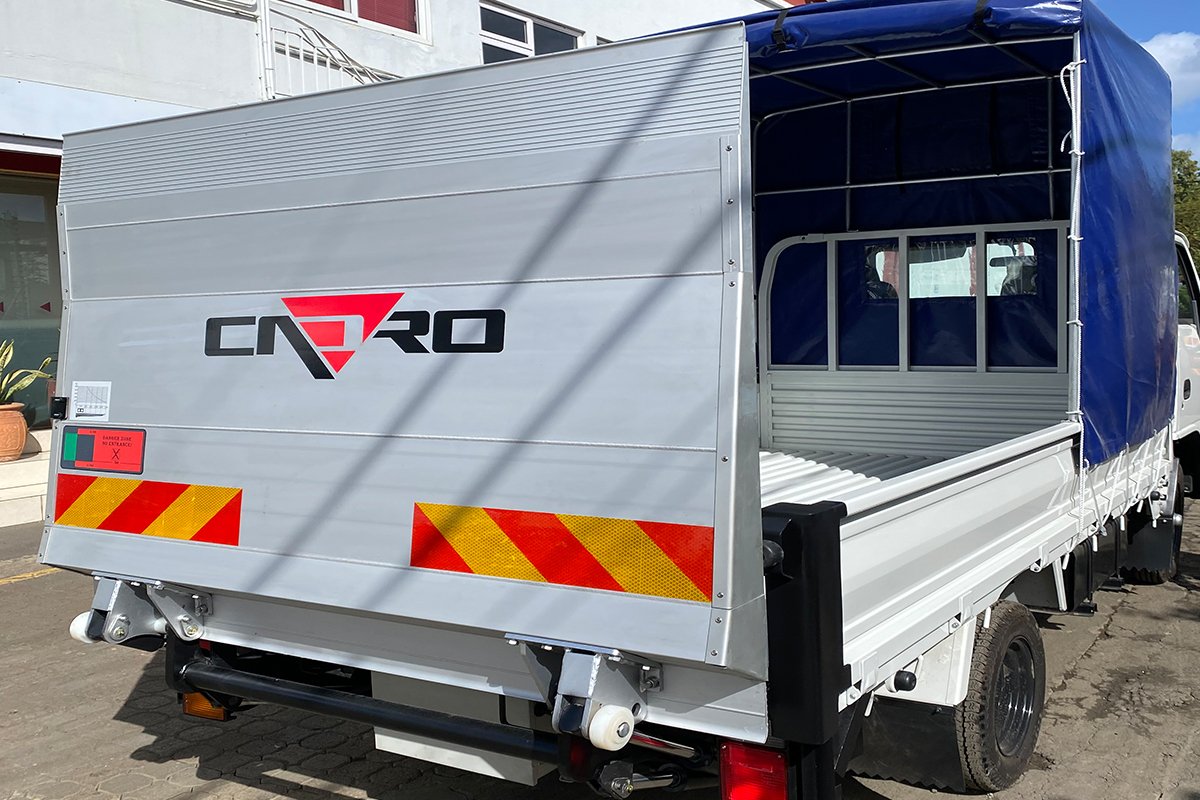
Pro Guide: How to Inspect and Test Your Anti-Corrosion Tail Lift
To begin with, an anti-corrosion tail lift is an essential asset for any logistics fleet operating in harsh environments. Specifically, performing regular inspections is the most effective way to prevent mechanical failure. Therefore, we have compiled this professional guide to help you maintain your equipment for optimal performance and safety.
The Importance of a Regular Anti-Corrosion Tail Lift Check
In addition to basic functionality, the core value of your equipment lies in its protective coating. Because a galvanized tail lift frequently encounters road salt and moisture, the integrity of its surface is vital. Consequently, consistent monitoring ensures that minor scratches do not turn into major structural rust. Furthermore, regular testing guarantees that your safety certifications remain valid.
Step 1: Performing a Thorough Visual Inspection
Evaluating Surface and Coating Condition
First, you should focus on the exterior components. Specifically, look for any chips or deep gouges in the anti-corrosion tail lift platform. Although CADRO uses premium materials, physical impacts can still expose the raw metal. Moreover, ensure that the structural frame shows no signs of bending or stress fractures.
Checking Hydraulic and Electrical Integrity
Second, you must examine the internal systems. For example, check the hydraulic cylinders for any visible leaks or dampness. Meanwhile, inspect the electrical harnesses for frayed wires or corroded connectors. By doing so, you maintain the core power of your truck tail lift maintenance routine.
Step 2: Executing Functional and Load Testing
Analyzing Movement and Hydraulic Fluidity
Moving on to the mechanical operation, a hydraulic tail lift inspection requires a full range of motion test. To start, cycle the platform from the ground to the bed level several times. As a result, you can listen for unusual grinding noises or observe jerky movements. If the lift operates silently, the hydraulic valves are likely in perfect condition.
Verifying Safety Sensors and Load Capacity
Additionally, you should perform a load test using the rated weight capacity. Notably, you must also verify that the emergency stop button and tilt sensors function correctly. Ultimately, these features exist to protect your operators from accidents during heavy loading cycles.
Step 3: Final Maintenance and Lubrication
After the inspection is complete, cleaning the unit is the next logical step. In fact, removing debris is crucial for logistics equipment safety. Once the unit is dry, apply high-quality lubricant to all moving pins and bushings. Consequently, you reduce friction and preserve the lifespan of your anti-corrosion tail lift.
Conclusion: Partner with CADRO for Reliability
In summary, a disciplined inspection strategy is the secret to zero downtime. Because you prioritize these checks today, you avoid expensive repairs tomorrow. At CADRO, we offer the most durable anti-corrosion tail lift solutions designed for the toughest jobs. Visit our website to learn more about our high-performance liftgates.
[…] How to Inspect and Test Your Anti-Corrosion Tail Lift? […]