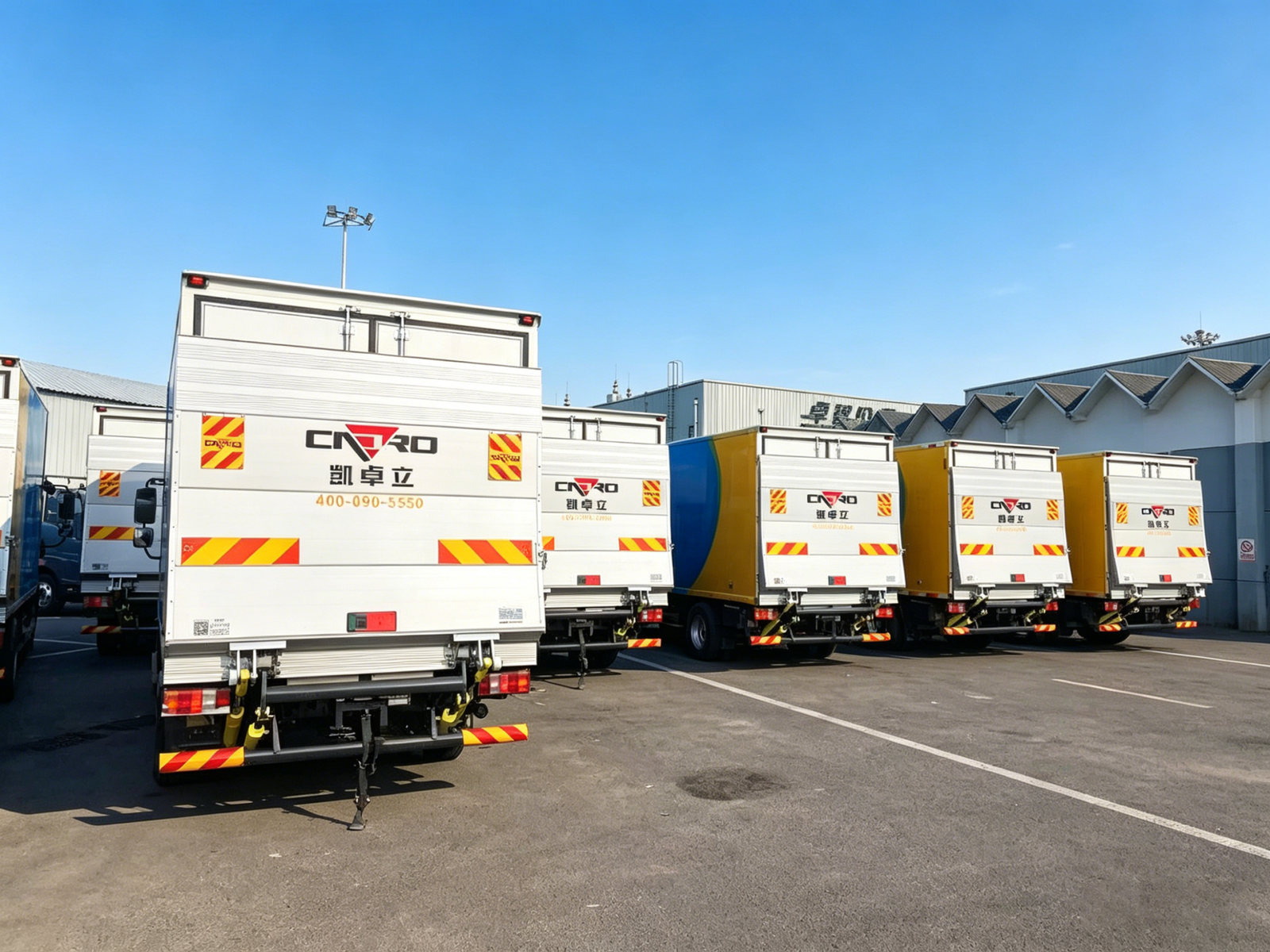
Choosing a tail lift for your vehicle should not feel hard. The right lift helps your team load goods faster. It also keeps workers safer and cuts daily strain.
This guide shows what to check before you buy. First, match the lift to your van, truck, pickup, or service vehicle. Then, compare load size, platform space, power type, and service support.
What Is a Tail Lift?
A tail lift is a rear platform that moves goods up and down. It helps bridge the gap between the ground and the vehicle bed. Many units use hydraulic power because the motion is smooth and strong.
Still, not every lift fits every vehicle. A small van needs a light and compact lift. A large truck may need a stronger hydraulic tail lift with a wider platform. So, vehicle fit should come first.
How to Match the Lift to Your Vehicle
Start with the vehicle type. For vans, choose a light tail lift for your vehicle. It should keep payload high and still allow easy rear access. Also, check that the platform fits boxes, carts, or small pallets.
For trucks, focus on strength. Check lifting capacity, lift height, platform width, and frame support. In addition, choose a finish that can handle rain, road dirt, and heavy daily use.
For pickups and SUVs, keep the lift compact. These vehicles often carry tools, parts, or service gear. Therefore, the lift should help loading without blocking normal use.
You can also review CADRO’s tail lift product range before you make a shortlist.
Key Features to Check
First, check the rated load. The lift should handle your normal heaviest load with a safe margin. Do not choose a model that only fits light jobs.
Next, measure the platform. It must be deep and wide enough for your goods. A good platform makes loading faster and safer. At this stage, a tail lift for your vehicle should match both cargo weight and cargo shape.
Also, compare power options. Hydraulic tail lifts are a good choice for many fleets because they are strong and steady. Electric lifts can work well for lighter jobs. Finally, look for safety parts such as an emergency stop, anti-slip surface, warning lights, and safe controls.
Installation and Maintenance Tips
Good fitting is very important. Before installation, check the chassis, rear space, power supply, and loading height. A trained installer can help you avoid poor fit and future faults.
After fitting, train each operator. Show them the load limit, safe standing area, and emergency controls. In addition, plan simple checks for fluid, hoses, pins, switches, and the platform surface. This keeps a tail lift for your vehicle safe for daily work.
For more safety basics, read this OSHA material handling guide. If you need help, contact the CADRO service team.
Final Buying Advice
The best tail lift for your vehicle is the one that fits your load, route, and work style. It should be easy to use, safe to control, and simple to service.
In short, do not buy on price alone. Compare capacity, platform size, safety, fit, and support. A well-matched lift can save time every day and help your fleet work with less downtime.