
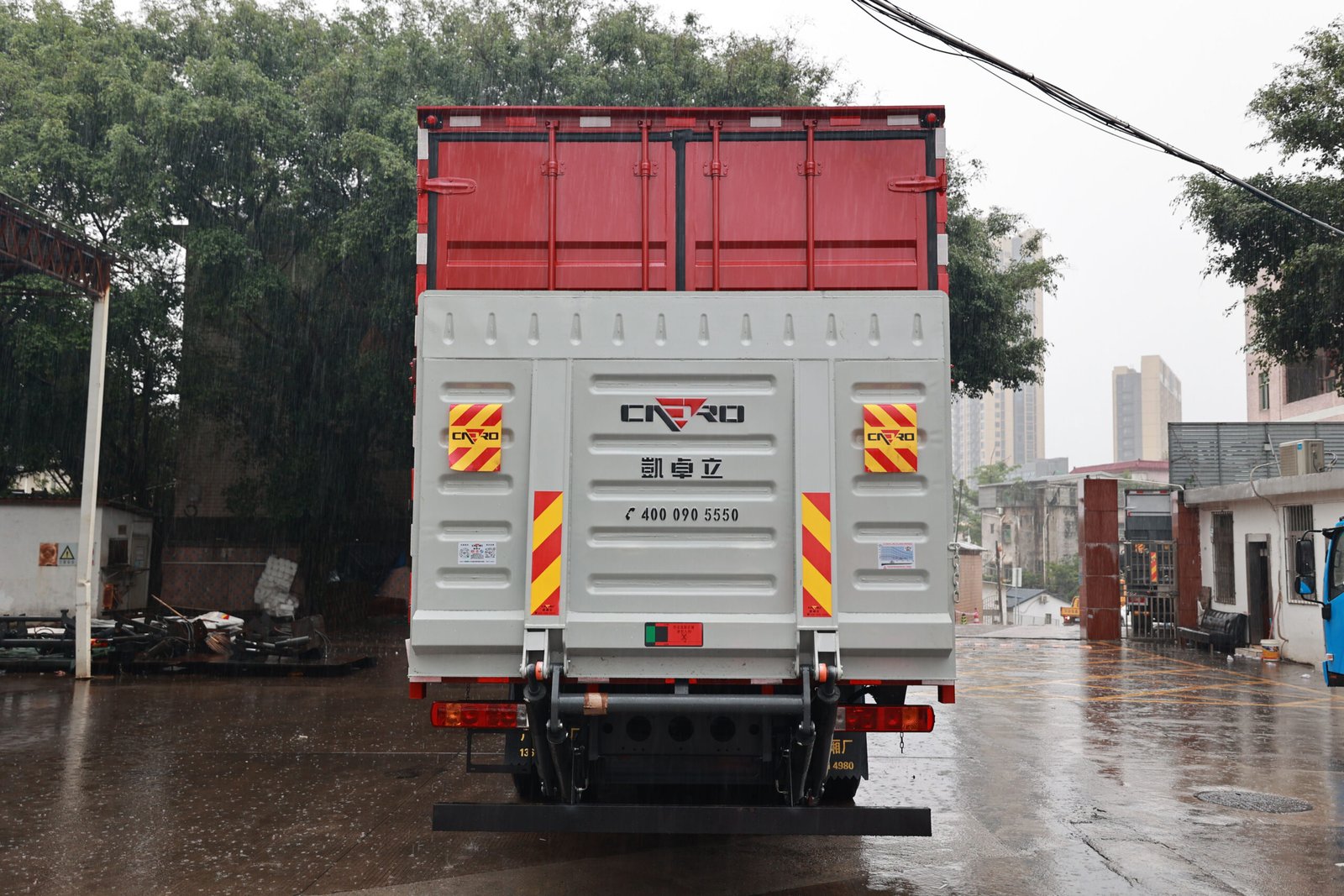
Tail lifts face relentless attack from rust and corrosion in salty coastal areas, winter road-treated regions, and high-humidity climates. These conditions speed up metal deterioration, threaten structural integrity, create safety hazards, and drive up repair expenses. Fortunately, a combination of smart prevention strategies, regular care, and protective technologies keeps your anti-corrosion tail lift performing reliably for years.
Why Salty and Humid Environments Accelerate Corrosion
Rust forms when iron or steel reacts with oxygen and moisture, producing iron oxide that weakens the metal. Salt acts as a powerful electrolyte, dramatically speeding this process by breaking down protective layers and promoting pitting. High humidity keeps surfaces damp longer, giving corrosion more time to take hold. Understanding these triggers helps operators target the most effective defenses.
Daily and Routine Maintenance Habits That Make a Difference
Regular inspections catch early warning signs before small spots become serious damage. Check the platform, frame, hinges, joints, and hydraulic components for discoloration, flaking paint, rust bubbles, or pitting—especially in moisture-trapping crevices.
Clean the tail lift thoroughly after every use in salty or humid conditions. Rinse with fresh water to remove road salt, dirt, and debris, then use mild detergent and a soft brush on stubborn areas. Avoid abrasive tools that scratch protective coatings. Dry the entire surface completely with clean cloths or compressed air to eliminate standing water.
Protective Coatings: Your First Line of Defense
High-quality coatings create a durable barrier against moisture and salt. Rust-resistant paints, applied over properly prepared surfaces, inhibit oxidation effectively. Epoxy coatings deliver exceptional performance in persistently humid environments by forming a tough, chemical-resistant seal.
Galvanized tail lifts benefit from a sacrificial zinc layer that corrodes preferentially, shielding the base steel even when minor scratches occur. For existing lifts, reapply coatings as needed—sand lightly, clean thoroughly, prime with rust-inhibiting primer, and finish with compatible topcoat according to manufacturer guidelines.
Smart Storage and Environmental Controls
Store the tail lift in a dry, covered, well-ventilated space whenever possible. If outdoor parking is unavoidable, use a fitted protective cover to block direct rain, salt spray, and UV exposure. In high-humidity garages or depots, run dehumidifiers and place moisture absorbers like silica gel near the equipment to keep ambient humidity low.
Avoiding and Countering Corrosive Exposures
Wash salted vehicles promptly after winter driving or coastal routes—never let road salt dry on the surface. Rinse off any accidental contact with acids, alkalis, or other chemicals immediately with abundant fresh water.
Attach sacrificial anodes to vulnerable areas; these more reactive metals corrode first, offering cathodic protection that extends the life of critical components. In severely corrosive settings, consider impressed current cathodic protection systems for continuous electrochemical defense.
Extra Layers: Corrosion Inhibitors and Monitoring
Apply corrosion inhibitors—sprays or wipes that form a thin protective film—to metal surfaces during maintenance. These products work especially well in humid conditions by repelling moisture and blocking corrosive agents.
Monitor conditions closely and adjust your routine seasonally. Proactive care turns potential weak points into long-term strengths.
Conclusion: Build Lasting Protection Today
Preventing rust and corrosion on your tail lift in challenging salty or humid environments demands consistent action rather than reaction. Combine frequent cleaning and drying, strategic protective coatings, thoughtful storage, prompt salt removal, sacrificial protection, and corrosion inhibitors. These steps dramatically extend equipment life, maintain safety, reduce unexpected downtime, and deliver better value from every tail lift investment.