Cadro Tail Lift SEO · Daily Industry Brief
How Fleet Buyers Can Reduce Hydraulic Tail Lift Downtime in Daily Loading Work
A practical guide for fleet operators, body builders, and distributors comparing hydraulic tail lifts by real loading work, installation fit, safety checks, and maintenance planning.
Why This Guide Matters This Week
1. Real Loading Jobs Define the Right Lift
Dhollandia SA recently published an expert guide on hydraulic lift selection.
Their core message: the lift choice should start from the daily loading scenario, not from a specification sheet.
2. Fleet-Wide Fit Beats Individual Features
Another Dhollandia guide on electric tail lifts for van fleets stresses supplier choice and fleet compatibility.
In other words, a lift that fits one van perfectly may fail across a mixed fleet.
3. Small Warning Signs Lead to Big Downtime
Recent service reports identify low hydraulic fluid, solenoid faults, and uneven movement as top downtime causes.
Furthermore, these problems often start small but escalate quickly without regular inspection.
A Hydraulic Tail Lift Is Daily Working Equipment
Not Just Another Truck Accessory
A hydraulic tail lift is not just another accessory on a commercial vehicle.
For a fleet that loads goods every day, it becomes part of the route plan, the driver's safety routine, and the delivery promise.
When It Works vs. When It Fails
When the lift works smoothly, loading feels predictable and the schedule stays on track.
However, when it fails, one vehicle can lose hours in a single stop — and the ripple effect hits the entire route.
What Buyers Consistently Ask
Recent industry discussions point to one persistent concern.
Buyers need a hydraulic tail lift that matches the vehicle, the cargo, the route, and the service plan — all at once.
Start With the Loading Job, Not the Catalog
Define the Work Pattern First
The best hydraulic tail lift choice begins with the real work pattern.
For example, a truck delivering pallets to warehouses has completely different needs from a van stopping at shops and narrow streets.
Six Questions Before Comparing Models
- What is the heaviest regular load?
- How many lift cycles happen per day?
- Does loading happen from ground level, a dock, or both?
- What cargo size must the platform handle, and must it stay upright?
- How much space is available behind the vehicle?
- What are the road and yard conditions at the work site?
Capacity Alone Is Not Enough
Beyond the Rated Load Number
Load capacity matters, but it is only one dimension of the decision.
A truck liftgate must also fit the platform size, vehicle payload, chassis layout, rear body structure, and driver workflow.
Folding Lifts Need Clearance Planning
Folding hydraulic tail lifts preserve rear access and make parking easier.
Nevertheless, they still demand correct ground clearance, a clean folding path, and service access to stay reliable.
Downtime Starts With Subtle Signals
Early Warnings Fleet Managers Should Watch
Tail lift downtime rarely appears without warning.
Similarly, slower movement, uneven lifting, unusual noise, and hydraulic leaks are all early indicators of trouble.
Maintenance-Friendly Design Cuts Costs
As a result, choosing equipment designed for easy inspection directly reduces long-term operating costs.
A maintenance-friendly lift catches small issues before they grow into expensive failures.
Safety Checks Are Part of Productivity
Safety Features Are Not Optional
A commercial vehicle liftgate operates around drivers, cargo, traffic, loading bays, and pedestrians every day.
Treating safety features as extras creates both operational risk and liability exposure.
Four Daily Inspection Points
Therefore, fleet operators should inspect these items before every shift:
- anti-slip platform surfaces for grip in wet conditions;
- stable platform edges to prevent cargo tipping;
- control positions visible from the driver's working spot;
- emergency stop access within arm's reach.
Prevention Protects People and Equipment
Moreover, proper warning visibility, load chart discipline, and controlled lowering prevent accidents.
These simple habits guard against both injuries and costly downtime.
Where Cadro Fits in the Hydraulic Tail Lift Market
Engineered for Repeated Daily Loading
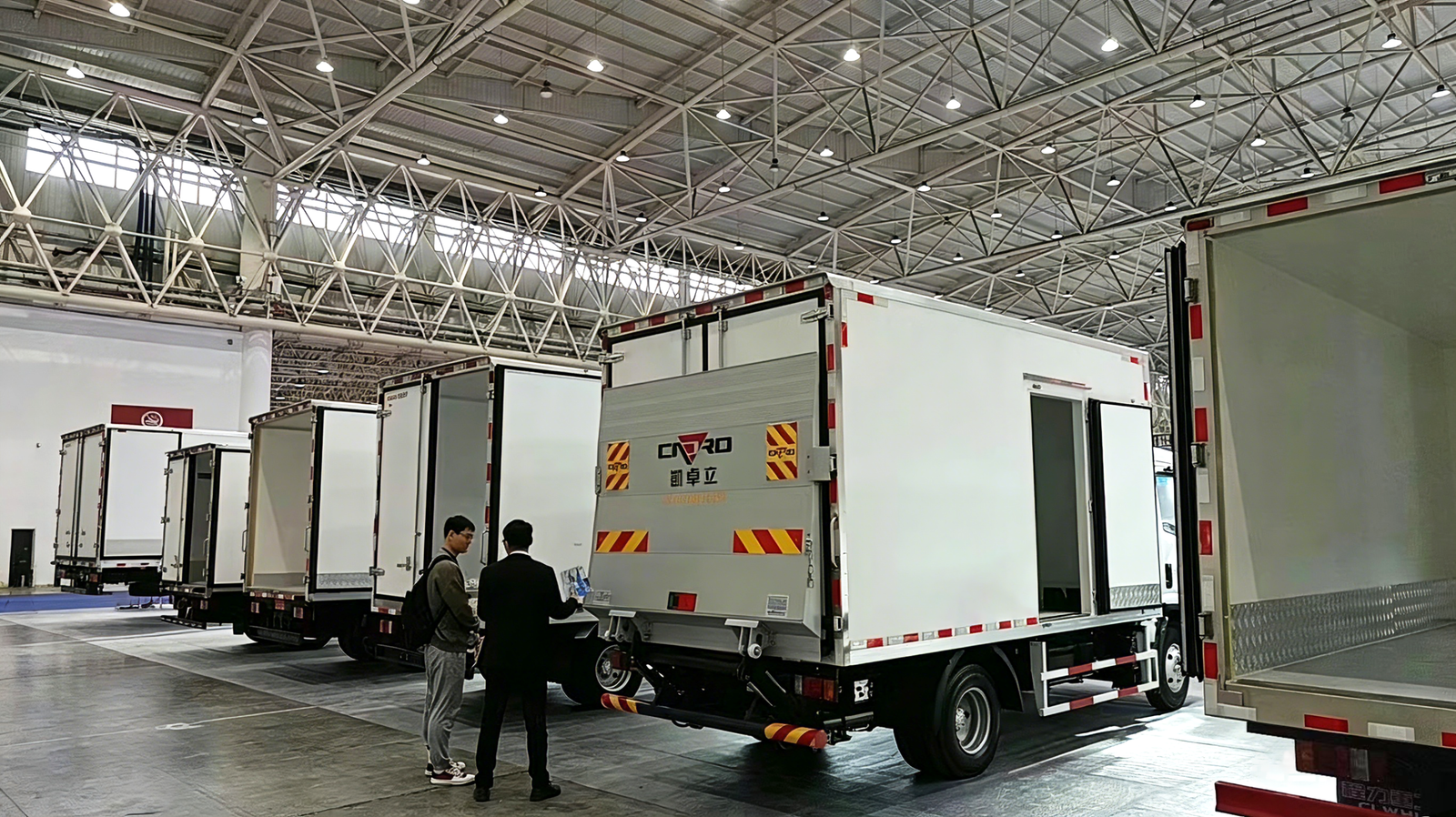
Cadro's hydraulic tail lift is built for fleets that load and unload multiple times every day.
Specifically, the compact folding design, guided movement, and stable hydraulic lifting are engineered for demanding schedules.
Lower Lifetime Cost Through Better Design
In addition, reinforced load-bearing points, welded structure, and precision assembly extend service intervals.
These design choices directly reduce the total cost of ownership for fleet operators.
What Professional Buyers Care About
For overseas distributors, body builders, and fleet decision-makers, these details connect directly to daily use.
Ultimately, a buyer needs a lift that fits the vehicle, handles the load, supports safe operation, and stays serviceable over time.
10-Point Buyer Checklist Before Ordering
Answer These Before You Commit
- Vehicle type and rear body layout.
- Vehicle floor height and ground clearance.
- Heaviest regular cargo weight.
- Cargo dimensions and stability needs.
- Daily lift cycle frequency.
- Dock and ground-level loading conditions.
- Folding or rear-access requirements.
- Safety requirements and inspection rules.
- Spare parts and maintenance expectations.
- Installation support and after-sales communication.
Conclusion
A hydraulic tail lift reduces downtime when it is selected as working equipment — not treated as a simple truck accessory.
In conclusion, the right lift improves loading efficiency, reduces manual handling strain, supports safer daily operation, and keeps your fleet productive over the long term.
Discuss a Cadro Tail Lift ProjectSource Links
- Dhollandia SA: https://dhollandiasa.com/2026/06/04/an-expert-guide-to-the-hydraulic-lift/
- Dhollandia SA: https://dhollandiasa.com/2026/06/01/a-guide-to-electric-tail-lift-manufacturers-for-van-fleets/
- Dhollandia SA Hydraulic Lifts: https://dhollandiasa.com/category/hydraulic-lifts/
- ReAnIn Tail Lift Market: https://www.reanin.com/reports/tail-lift-market
- Research and Markets Tail Lifts Market: https://www.researchandmarkets.com/report/truck-liftgate-market
- Beauway maintenance guide: https://www.beauway.com/industry-news/tail-lift-wont-lower-7-causes-fixes/
- Anjer tuckaway liftgates: https://anjerinc.com/tuckaway/