
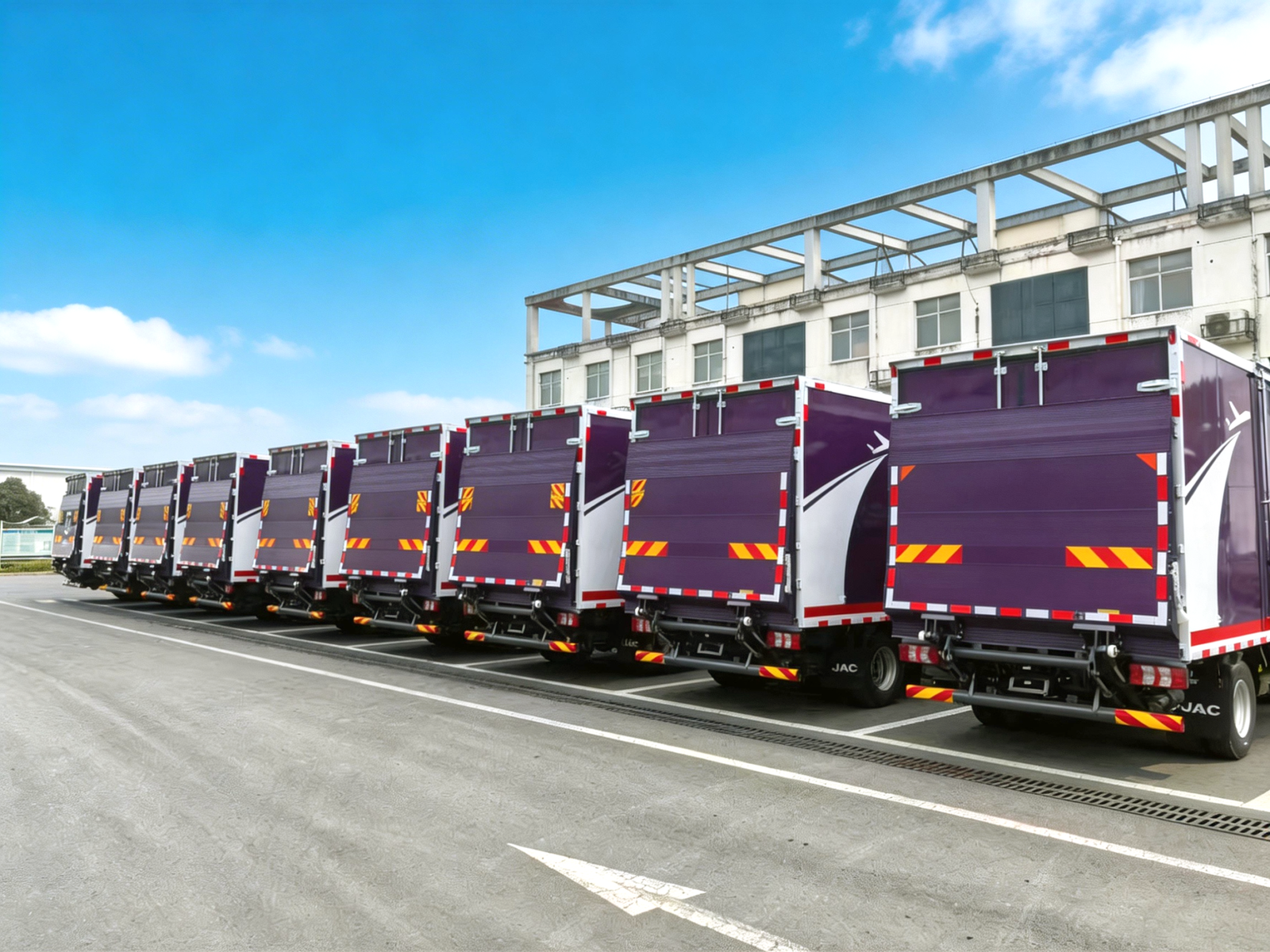
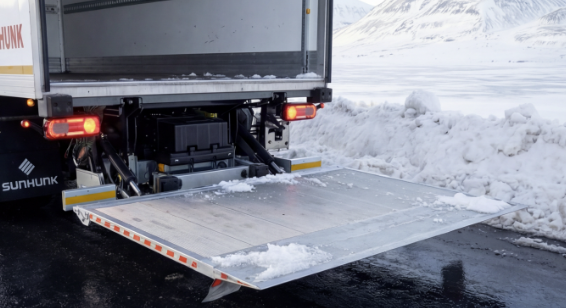
Choosing a Anti-Corrosion hydraulic turck tail lifts is not only about load capacity or platform size. For many buyers, especially those working in coastal, humid, high-frequency, or rough logistics environments, the more practical question is whether the product will stay reliable after repeated daily use. A truck liftgate that resists corrosion, reduces maintenance pressure, and keeps loading operations stable over time usually creates far more value than a lower-cost option that fails under real working conditions.
For commercial fleets, warehouse transfer vehicles, and urban delivery trucks, a commercial vehicle liftgate should support long-term operation, safer handling, easier maintenance, and better durability. That is why more buyers now look at total operating value instead of judging a hydraulic tail lift by specifications alone.
Choose for the Working Environment, Not Just the Catalog
Not every hydraulic tail lift works in the same conditions. Some trucks operate in coastal regions where salt and moisture increase corrosion risk. Others work in humid climates, industrial yards, or demanding delivery routes that expose the loading platform to water, dirt, friction, and constant repetition. In those conditions, the wrong truck liftgate quickly turns into a maintenance problem.
Interactive Cantilever Truck Tail Lifts Product PagePrioritize Corrosion-Resistant Materials and Surface Protection
A hydraulic tail lift used in wet or salty conditions needs more than a general promise of durability. Buyers should look for corrosion-resistant materials, protective surface treatment, and a structure that remains stable after repeated exposure to harsh environments. A better-protected commercial vehicle liftgate is more likely to reduce repainting, repairs, and downtime over the long run.
Check Whether Inspection and Maintenance Will Be Easy
Maintenance access matters much earlier in the buying process than many customers expect. A hydraulic tail lift may look strong on paper, but if inspection, cleaning, and lubrication are difficult, ownership becomes more expensive over time. A truck liftgate that is easier to inspect and maintain is more likely to stay reliable in daily fleet use.
Match the Tail Lift to the Vehicle and Loading Workflow
A strong hydraulic tail lift still needs the right vehicle fit. Buyers should compare platform size, installation space, folding logic, and route conditions before ordering. The right truck liftgate should suit the customer’s actual cargo workflow, not just a general specification sheet.
Focus on What Improves Daily Loading Efficiency
Daily loading efficiency is one of the clearest reasons buyers invest in a hydraulic tail lift. If the platform moves slowly, reacts unevenly, or feels unstable, every loading cycle becomes more stressful for drivers and operators. Over time, that hurts delivery rhythm and increases labor pressure.
Look for Stable Lifting and Predictable Movement
A truck liftgate should support smooth lifting, stable platform control, and predictable movement from ground to deck. Guided motion and compact structural logic are not just design terms. They directly affect how safe and efficient the loading process feels in real operation.
Recommended Product Direction for Cadro Buyers
If your team is comparing options for demanding environments, it makes sense to start with product categories that already align with durability, practical installation, and repeated loading use. Cadro's anti-corrosion tail lift, folding tail lift, and tuckaway tail lift lines are a logical place to begin when you need a hydraulic tail lift that matches real transport conditions.
Explore Product Options
Explore Anti-Corrosion Tail Lift Solutions
Request a Tail Lift Recommendation
If you are selecting a hydraulic tail lift for humid conditions, coastal routes, warehouse transfer, or urban distribution, the fastest next step is to match your vehicle type, loading needs, and operating environment with the right product configuration.
Conclusion
A hydraulic tail lift that lasts longer in harsh working conditions is never chosen by price alone. Buyers need to compare corrosion protection, material choice, coating quality, maintenance access, vehicle fit, and long-term operating practicality. Those factors decide whether a truck liftgate stays useful after installation.
For buyers who want better uptime, safer handling, and steadier loading performance, the right commercial vehicle liftgate is the one that continues working reliably in the environments where the business actually operates.